The Algarve Beyond the Beach: Cataplana, Cliffs and Island Lunches

When most people think of the Algarve, they picture golden cliffs, packed beach clubs and a sangria jug sweating on a sun lounger. And yes, that version exists and I have enjoyed it a few times as a teenager and adult too!
But the Algarve I discovered on a recent press trip with Jet2Holidays was something else entirely, a region with a delicious culinary identity, a fascinating history and a wild, protected coastline that most tourists never set foot on.
Over three days I cooked with a local chef, walked one of Portugal’s most dramatic coastal trails, ate lunch on a tiny island in the middle of a lagoon and discovered a beautiful café hiding in a medieval market town inland. Here’s how to see the Algarve beyond the beach bars.
The Cataplana: Why This Dish is the Heart of Algarvian Food
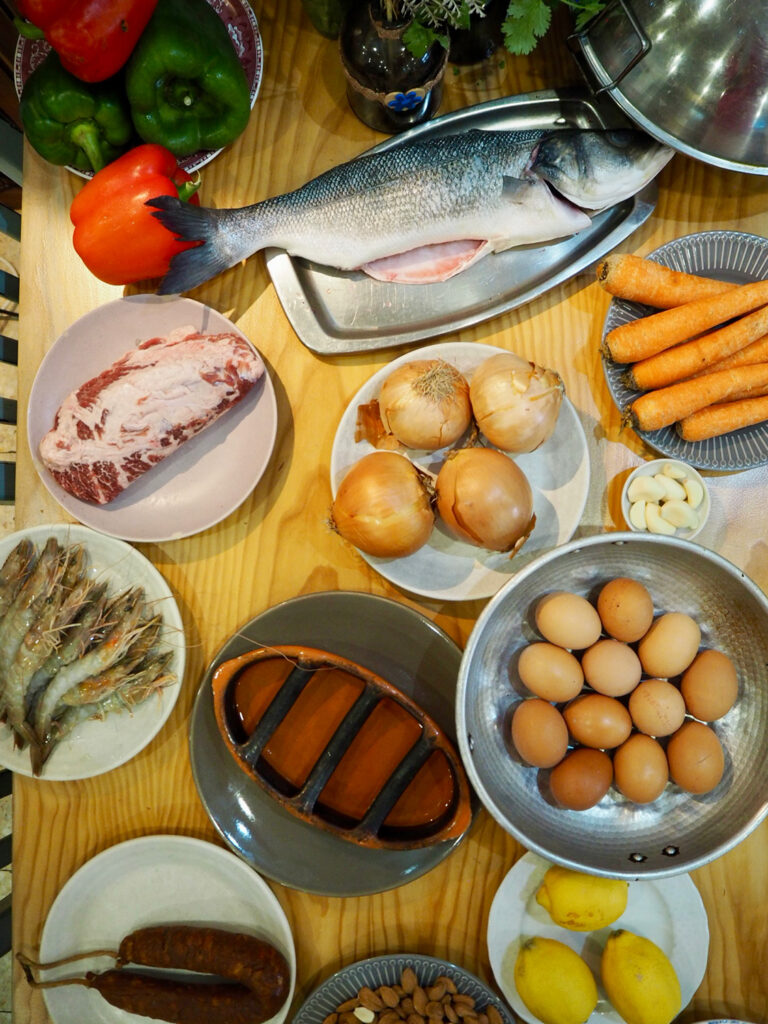
I’ll be honest, before this trip I had never heard of a cataplana. Within an hour of landing at Faro airport I was standing in a kitchen at Taberna Lúcia Ribeiro in Almancil, aproned up and surrounded by seafood, fresh vegetables and plenty of local wine!
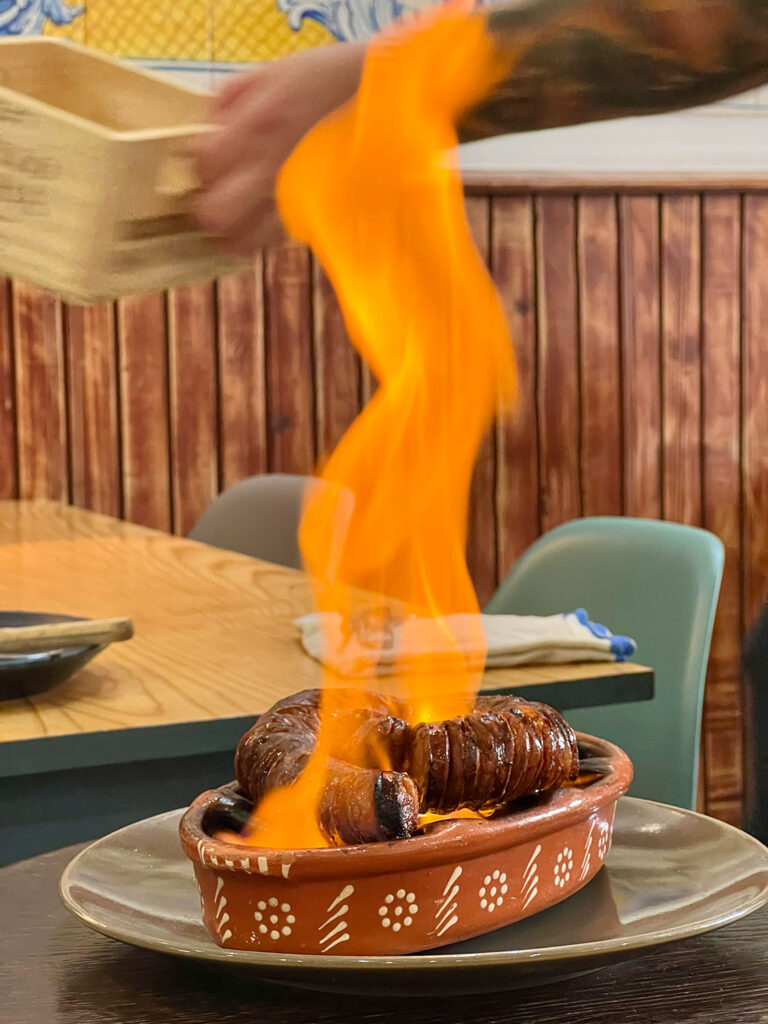
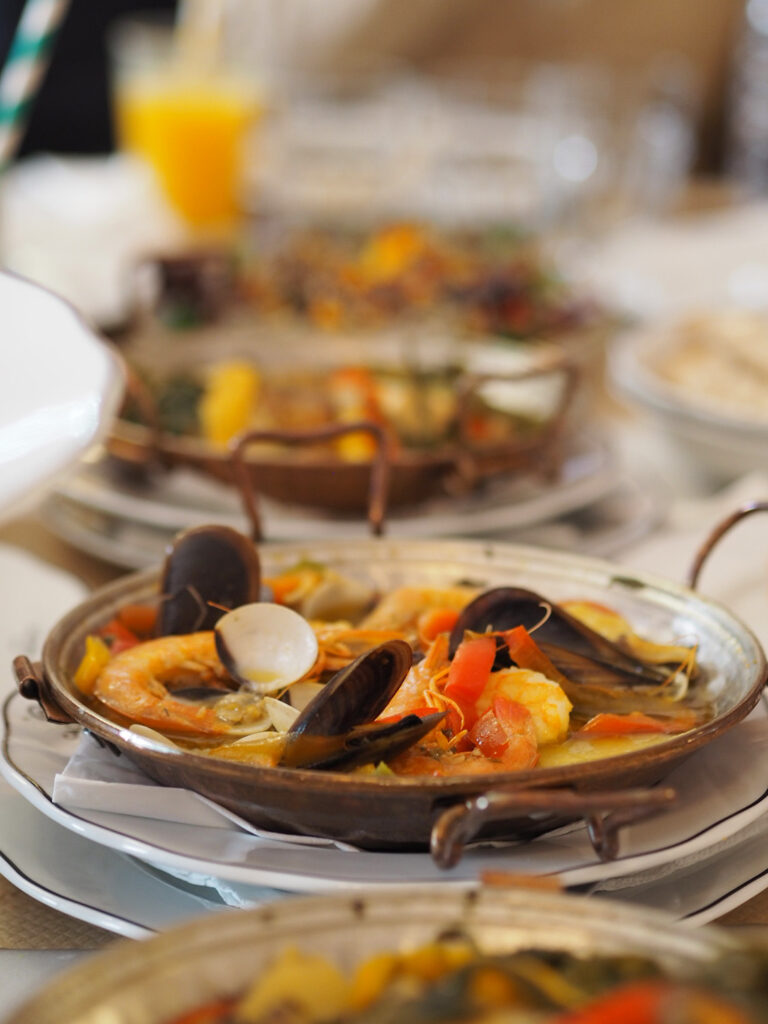
The cataplana is both a dish and a cooking vessel, a copper, clamshell-shaped pan that has been used in the Algarve for centuries, thought to have Moorish origins. When you clamp it shut and let everything steam together inside, the clams, prawns, tomatoes, white wine, chouriço and herbs, something magical happens. The flavours don’t just combine, they intensify. You open the pan at the table and the steam hits you before the smell does, and the smell is extraordinary.
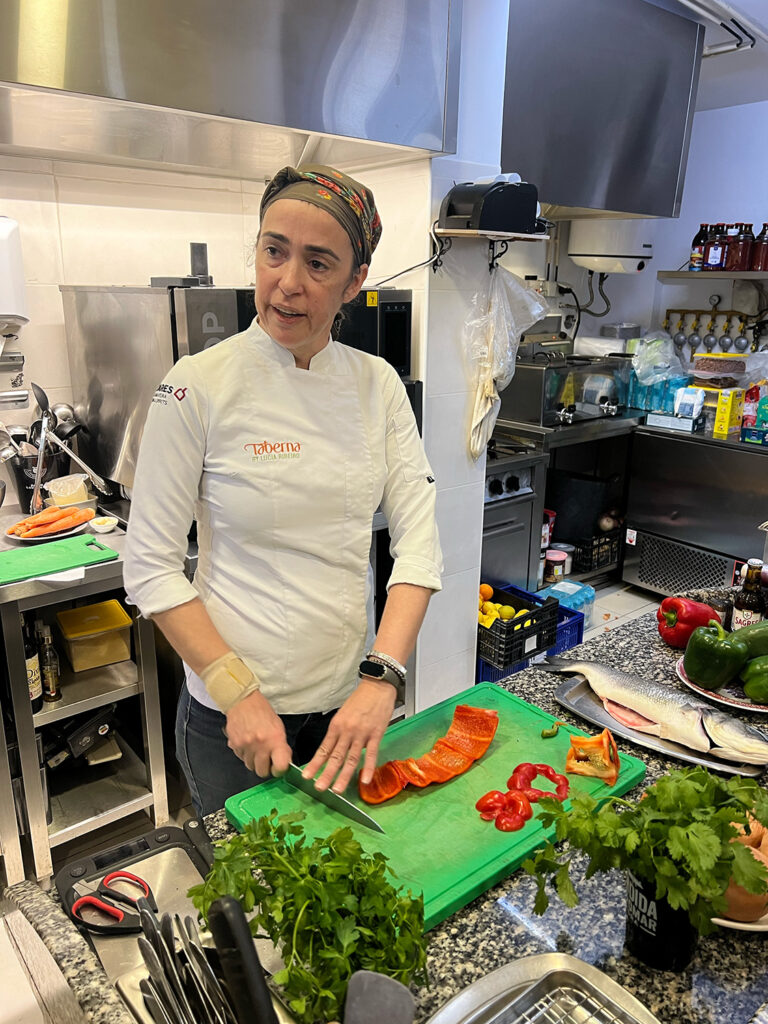
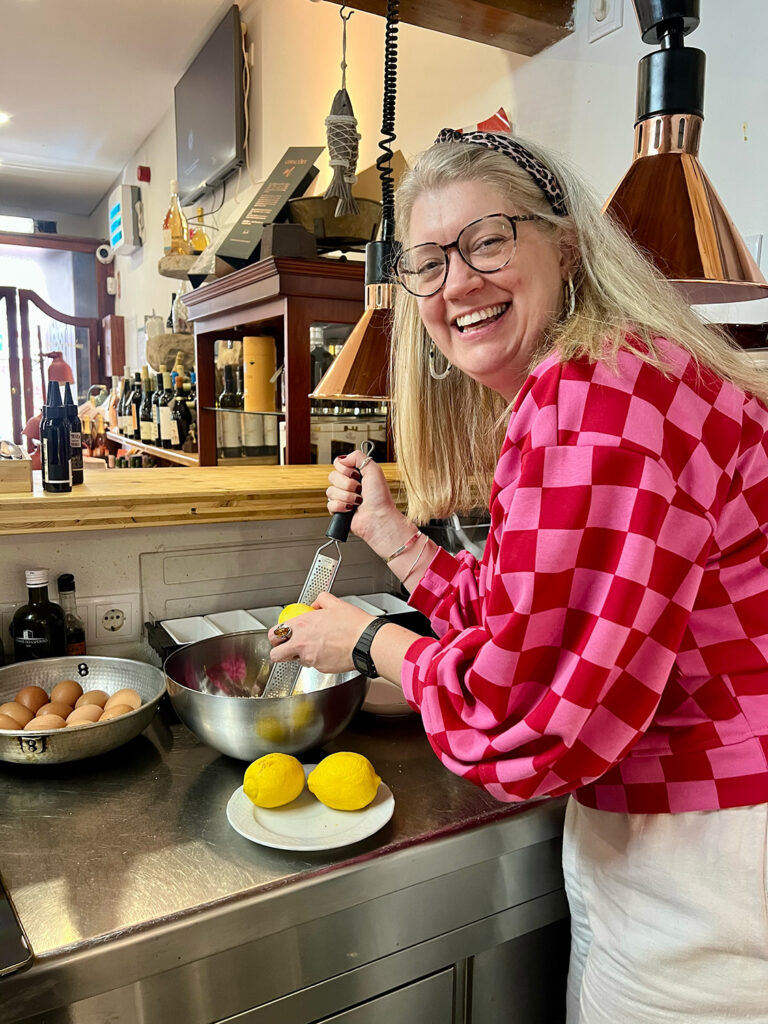
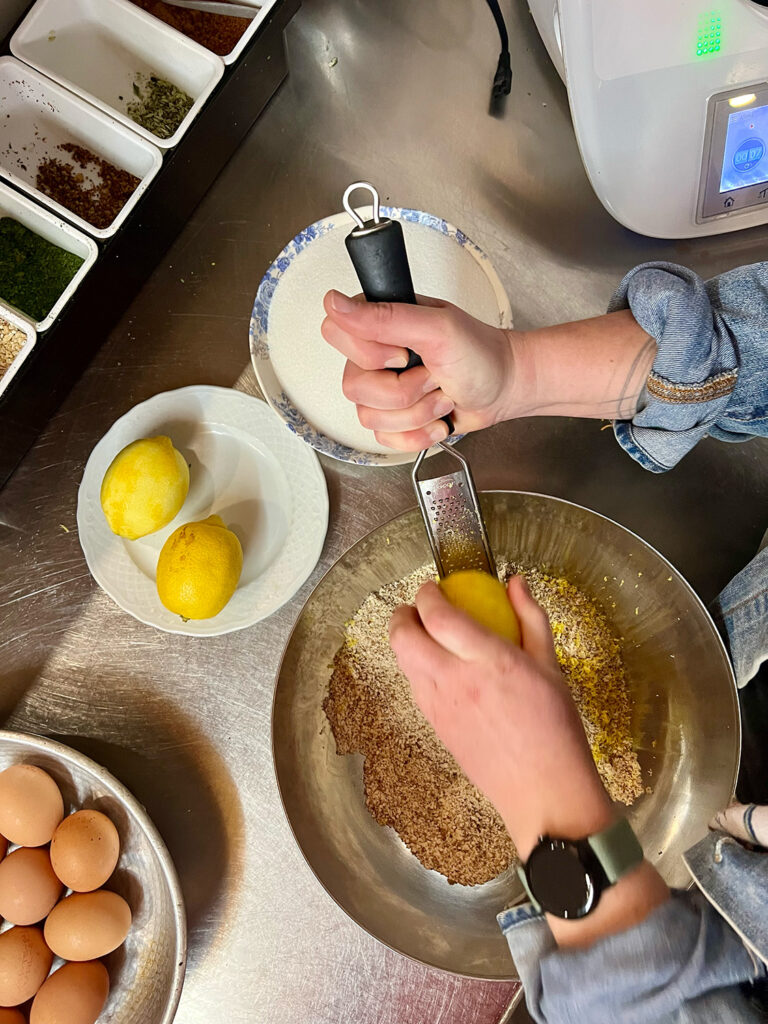
The cooking workshop was one of those experiences that felt genuinely immersive rather than put-on. We learned about the importance of local produce, how to bake a local cake and how to fillet a fish. I came away with a recipe I’m absolutely going to attempt at home and a deep appreciation for a dish I had no idea existed.
If you want to eat cataplana without making it yourself, look for it on menus across the region, but do try to find somewhere that cooks it properly in an actual cataplana rather than a regular pot. The cooking method is the point.
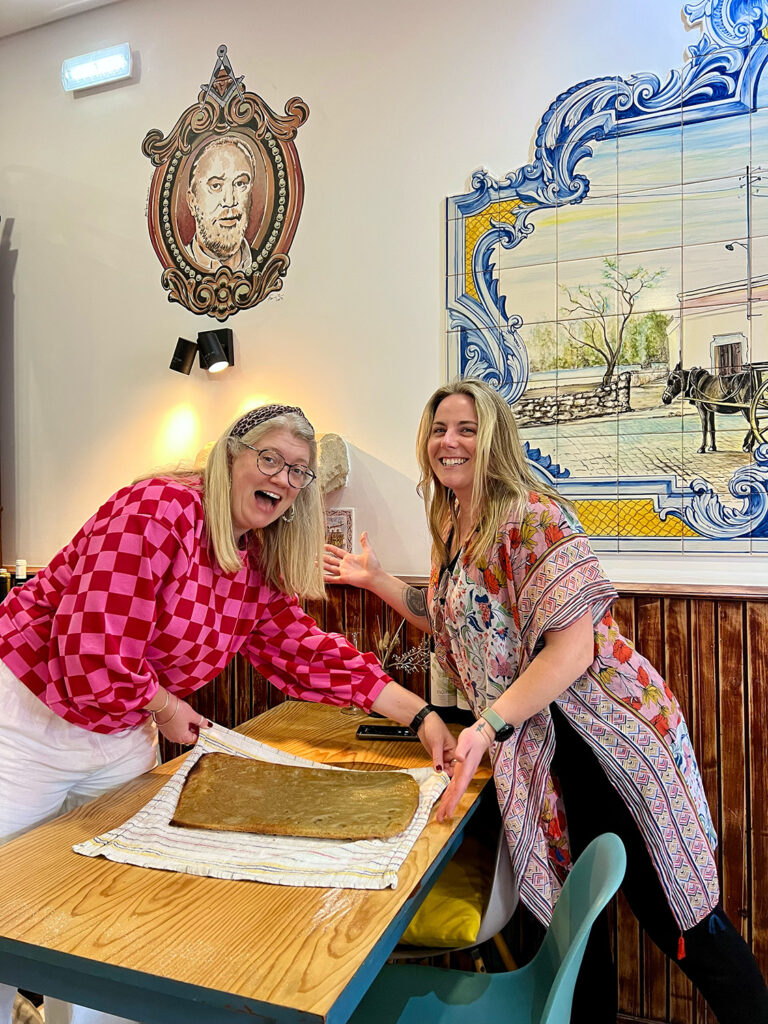
I also got the opportunity to be in charge of dessert with Emily. The simple Torta de Amêndoa is kind of like a swiss roll with only four ingredients, eggs, castor sugar, lemon and ground almonds… it was hard not to mess this up, but when it came to rolling it definitely came out a little crumbly… but still very delicious.
The best thing about cooking classes is you get to eat what you made, so after our time in the kitchen with Lucia we all sat down to enjoy our efforts and wash it down with a few glasses of local wine.
Loulé: The Algarve’s Underrated Cultural Capital
Most visitors to the Algarve drive straight past the turning for Loulé. That is a big mistake. Huge.
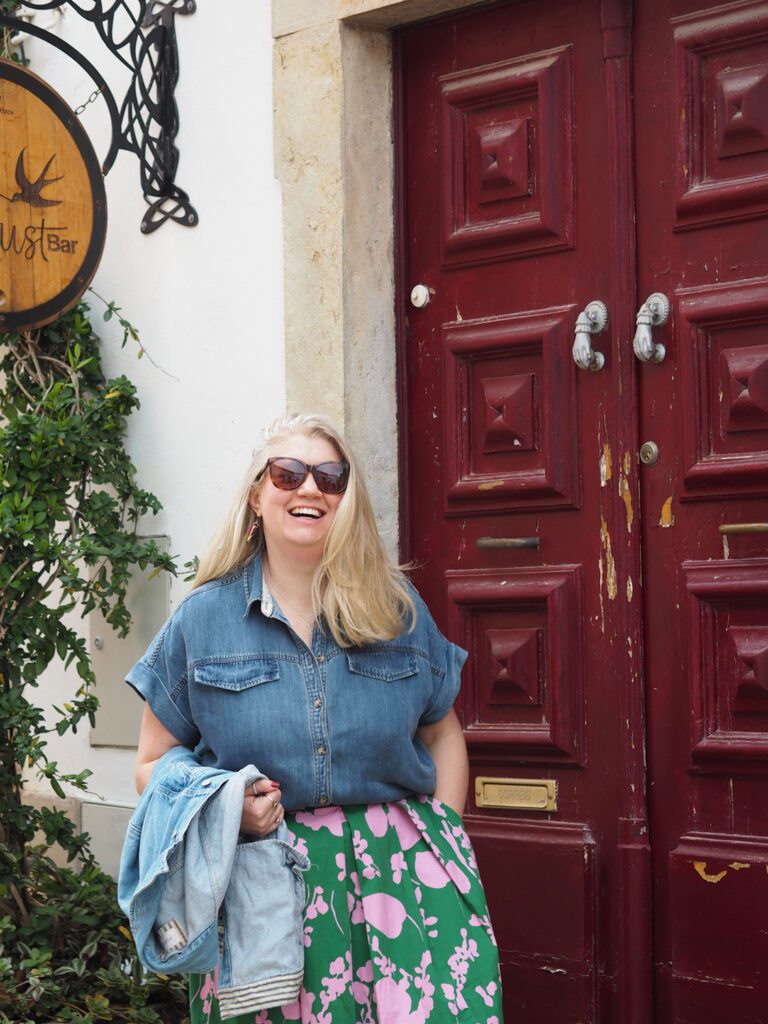
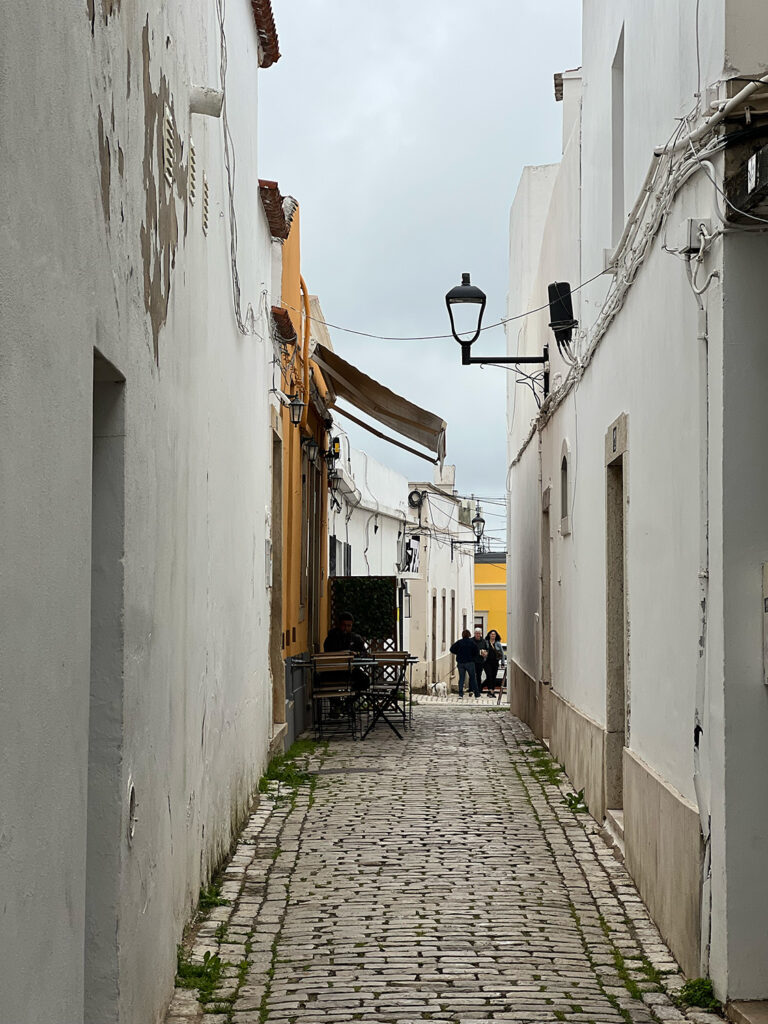
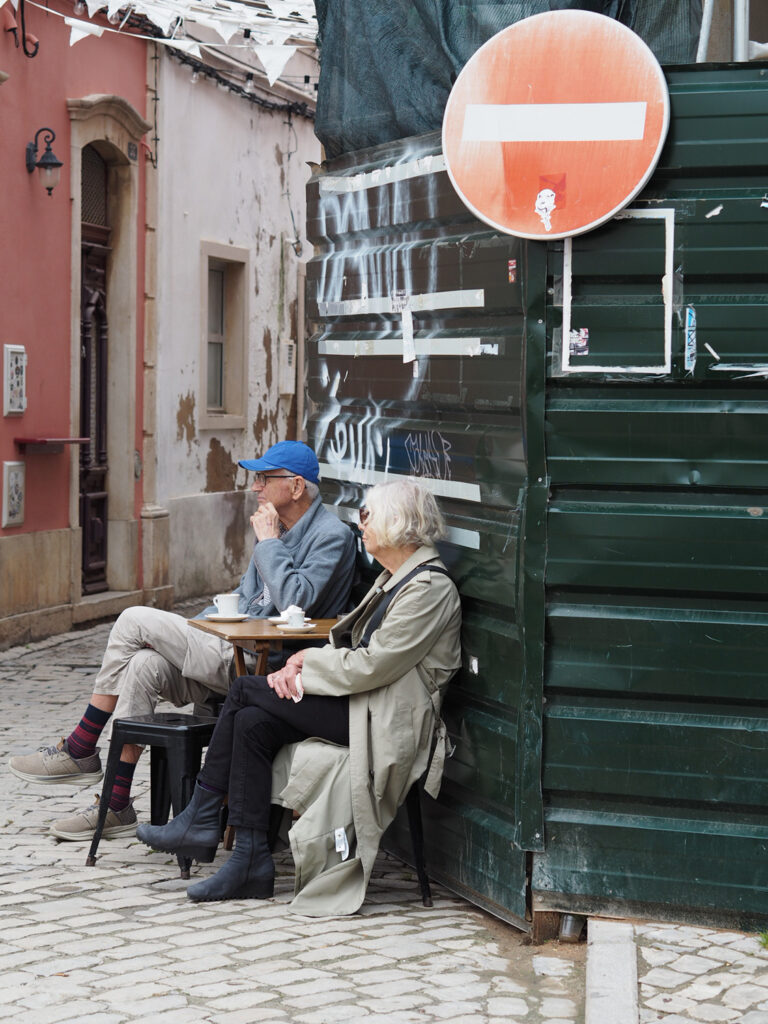
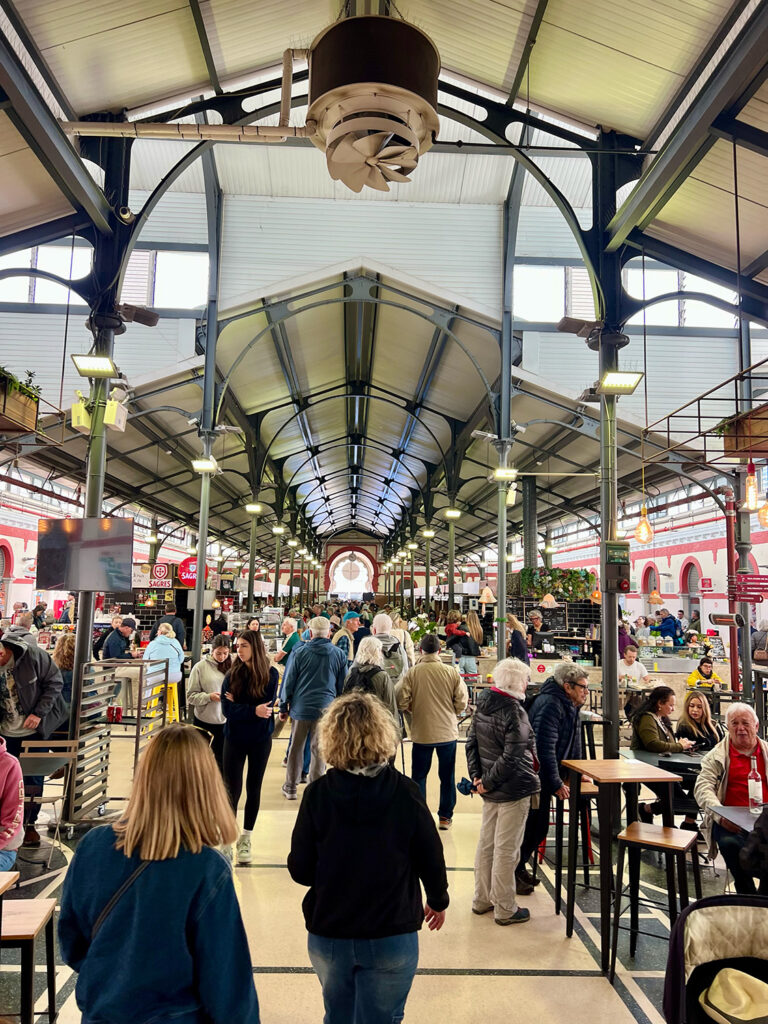
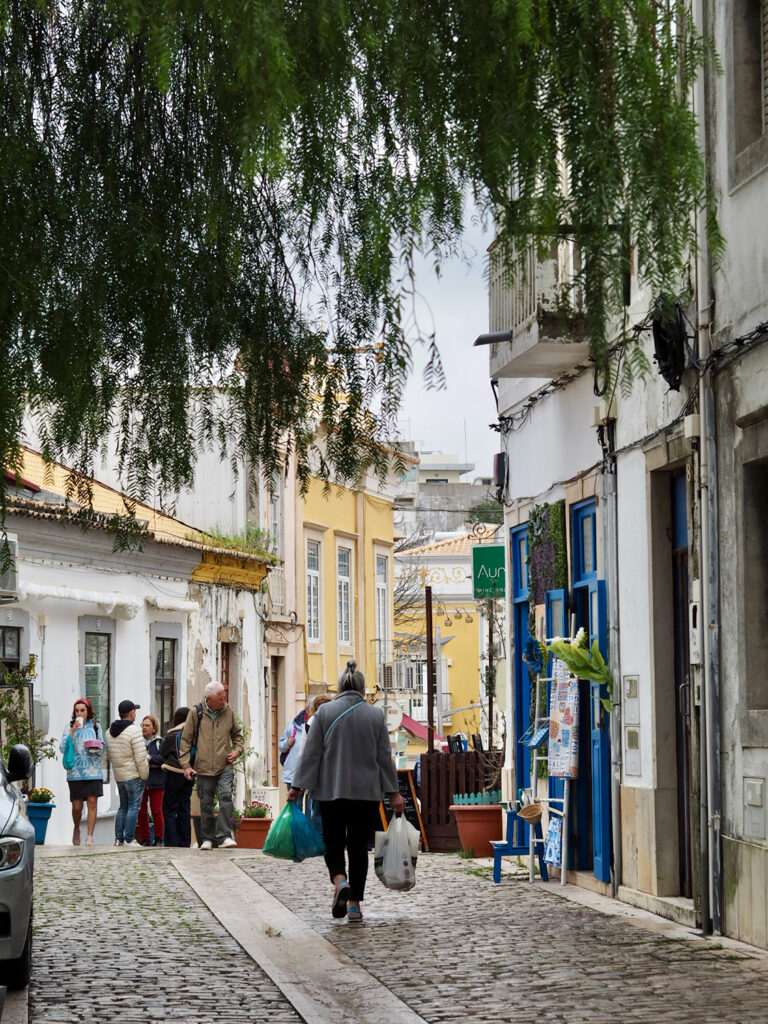
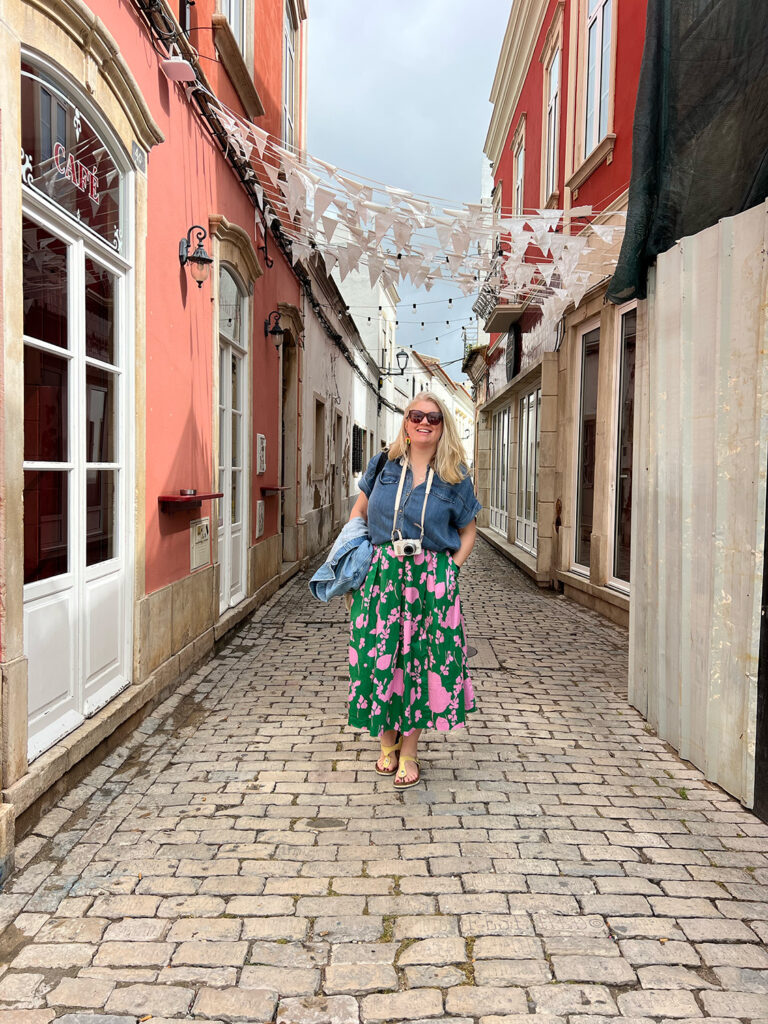
The town sits inland, away from the coastal tourist trail, and as a result it has held onto its identity in a way that the beach resorts simply haven’t. Our guided city tour took us through the Moorish-influenced old town, past the castle walls, through covered market stalls and into the kind of backstreets where the paint is peeling and the cats are asleep in doorways and everything feels wonderfully, authentically lived in.
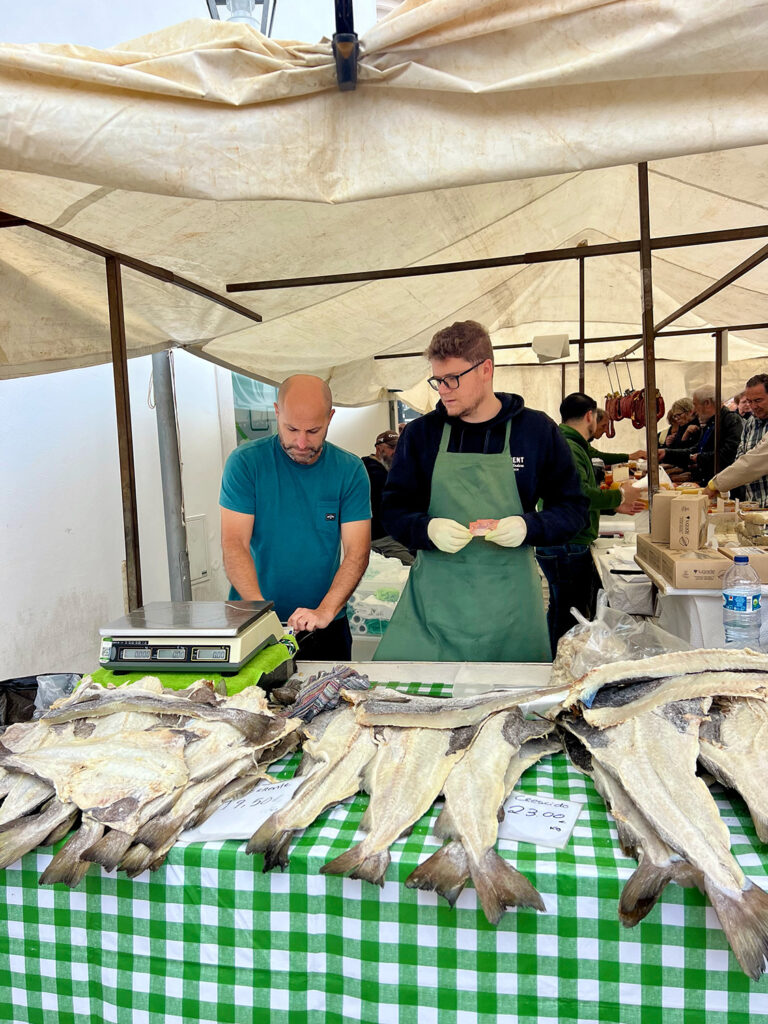
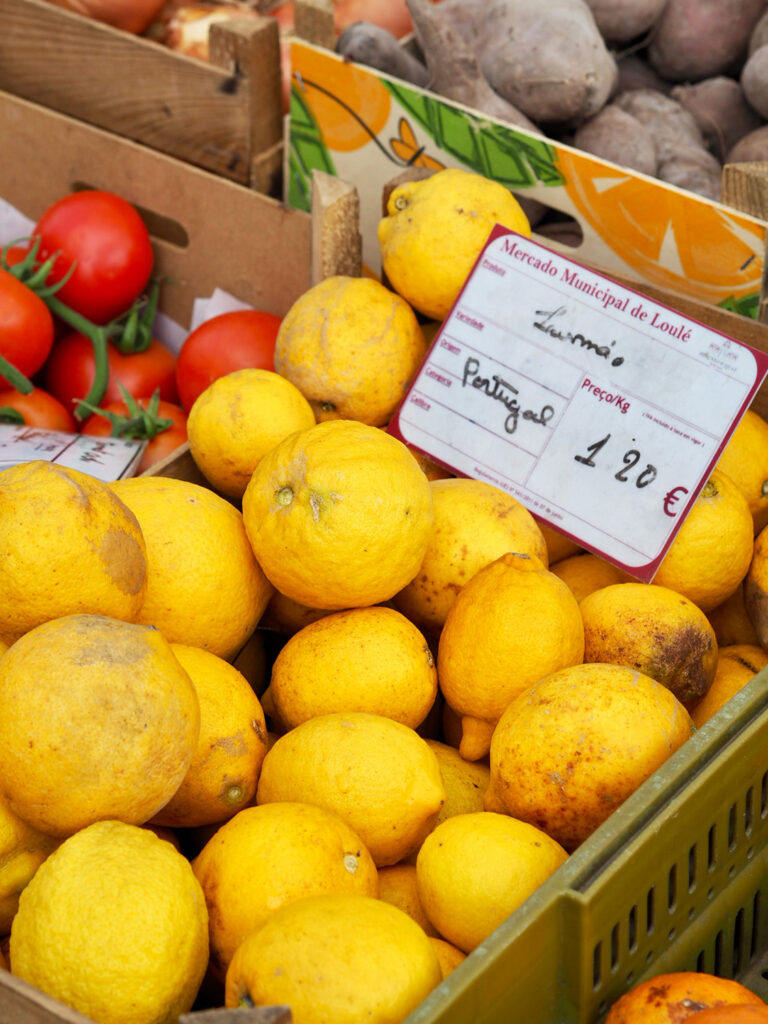
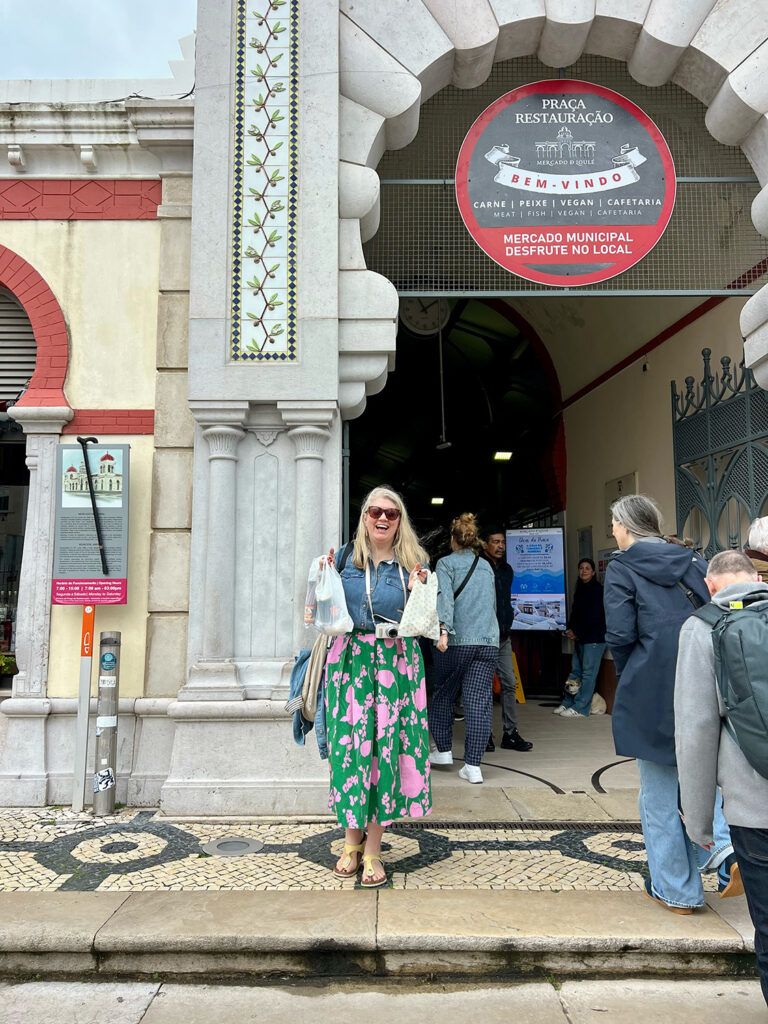
My favourite part of the tour was the market. Open six days a week it is filled with local artisans selling honey, spices, fresh fish and of course Portugese staple Piri Piri sauce. I had to make a swift trip to the cash machine and came away with many treats… food shopping abroad is one of my favourite hobbies and Loulé didn’t disappoint.
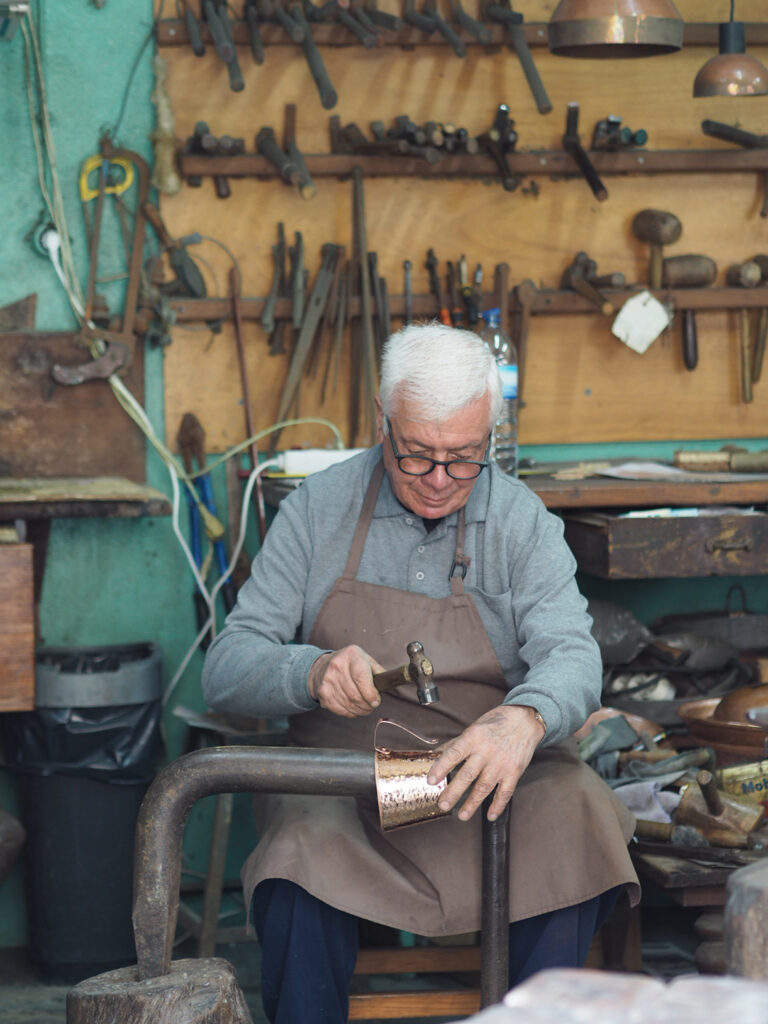
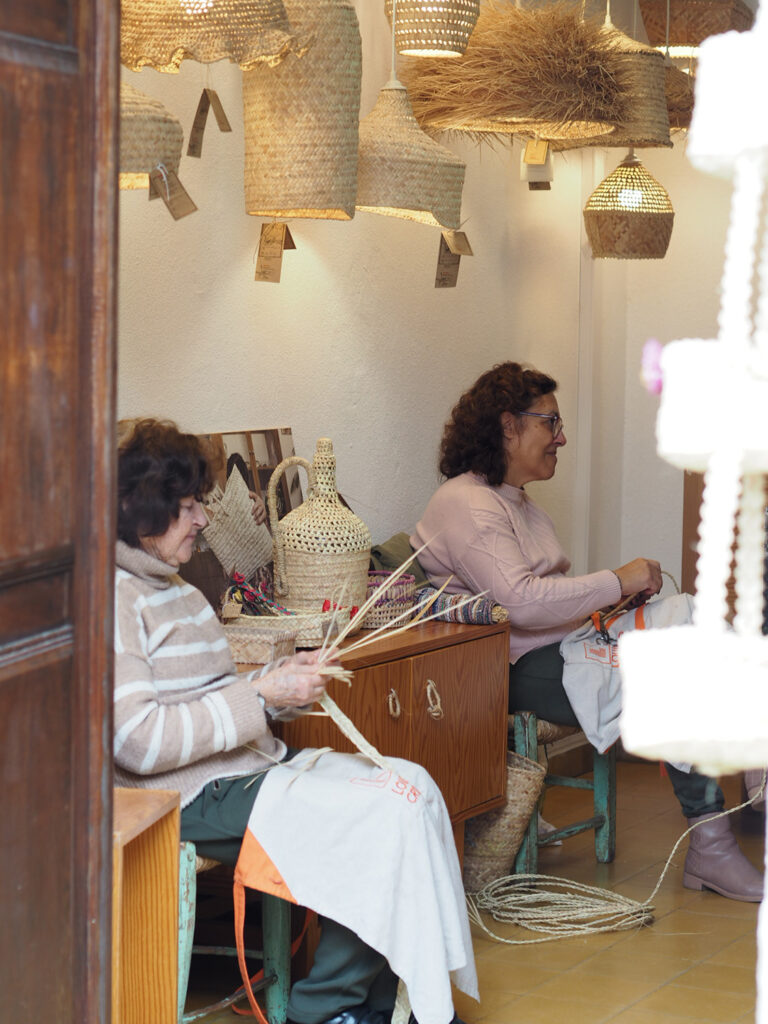
While walking through the town look our for the Loulé Criativo signs, there are several makers across the town who are sharing traditional crafts. The project is helping to support the training and work of traditional artisans and you can watch them work, whilst browsing what they have made. I bought myself a hand weaved palm bag after watching women making similar bags in the shop.
Lunch at Café Calcinha — the most beautiful café in the Algarve
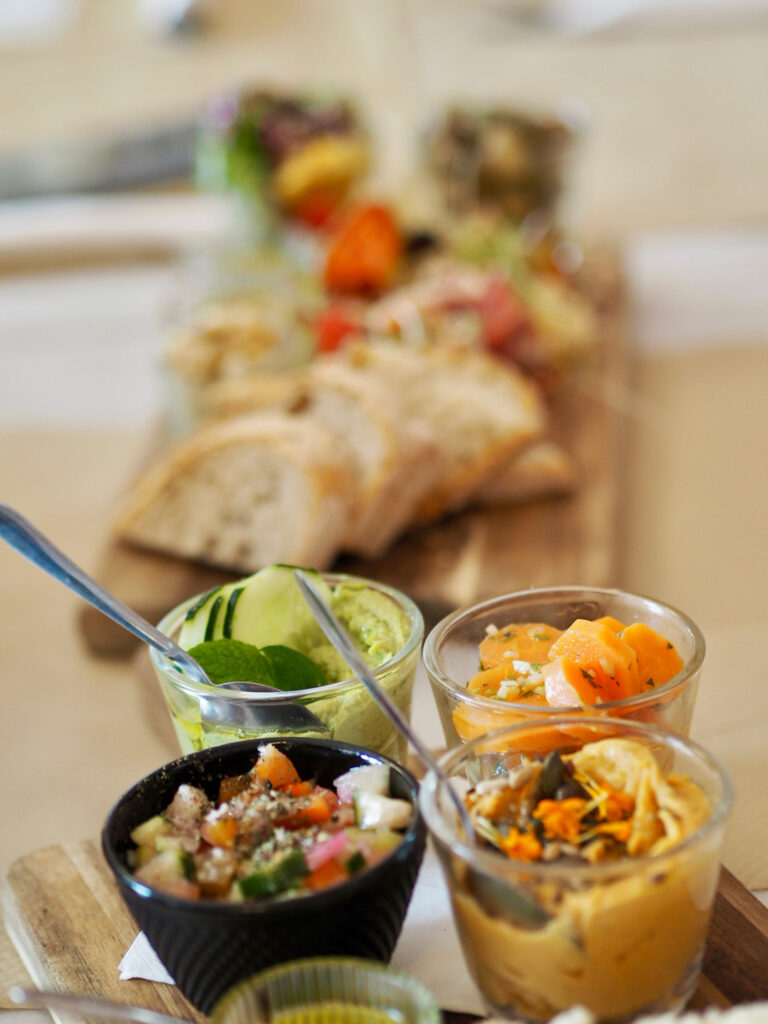
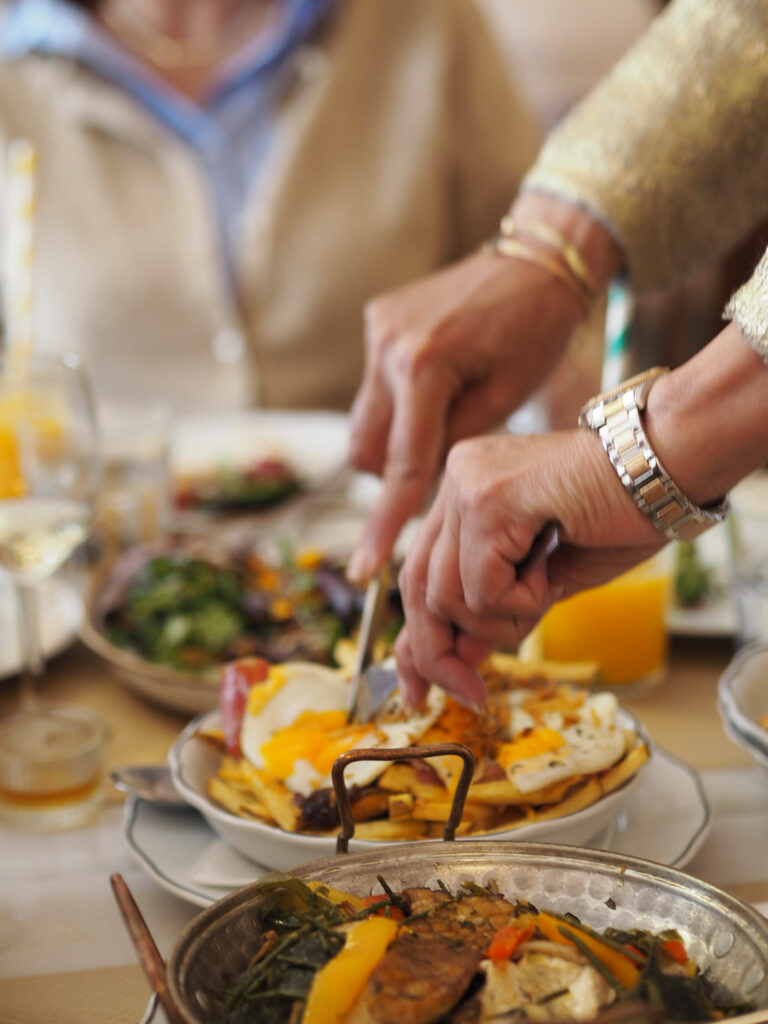
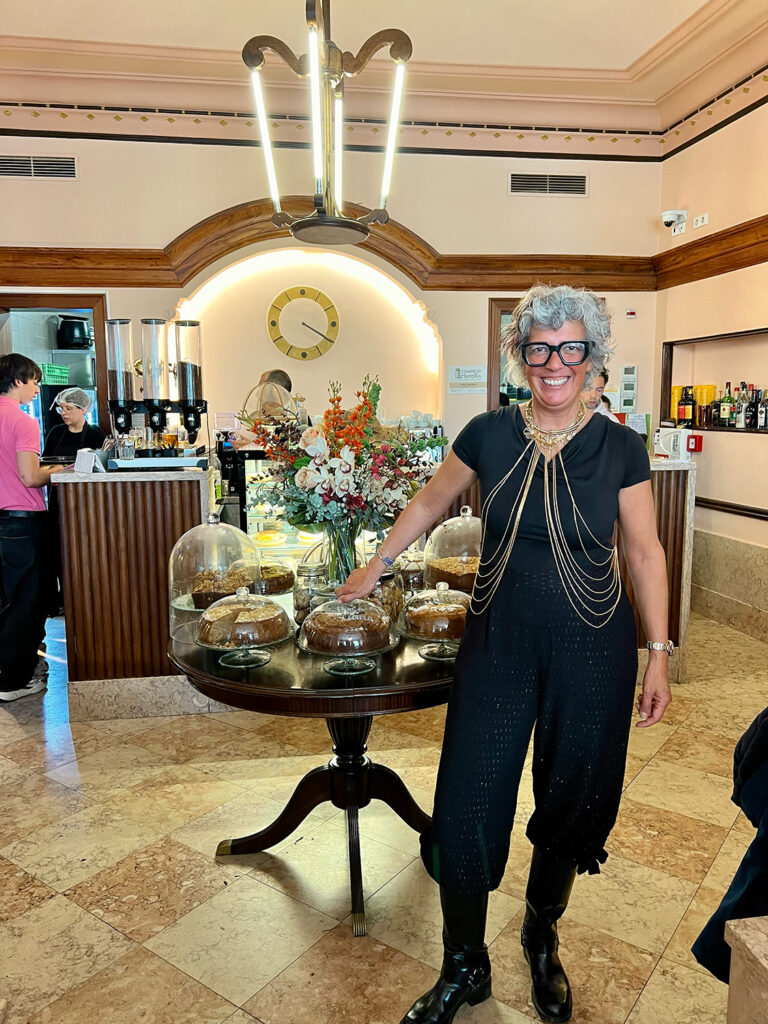
Make sure you include lunch at Café Calcinha. Built in the late 19th century, this family run café sits down the road from Loulé’s covered market building and is a stunning example of Art Nouveau architecture, with gorgeous tile work and light filtering through arched windows. It is the kind of place that feels like it belongs in a film set except that it is entirely, joyfully real, and has been serving coffee and petiscos to locals for generations. Guess what was included in our dinner… Cataplana! Though I most enjoyed the simple egg, bacon and chips with a sweet tomato sauce, chopped up together for you at the table. If you visit only one café in the Algarve, make it this one.
The Seven Hanging Valleys Trail: One of the Most Dramatic Coastal Walks in Europe
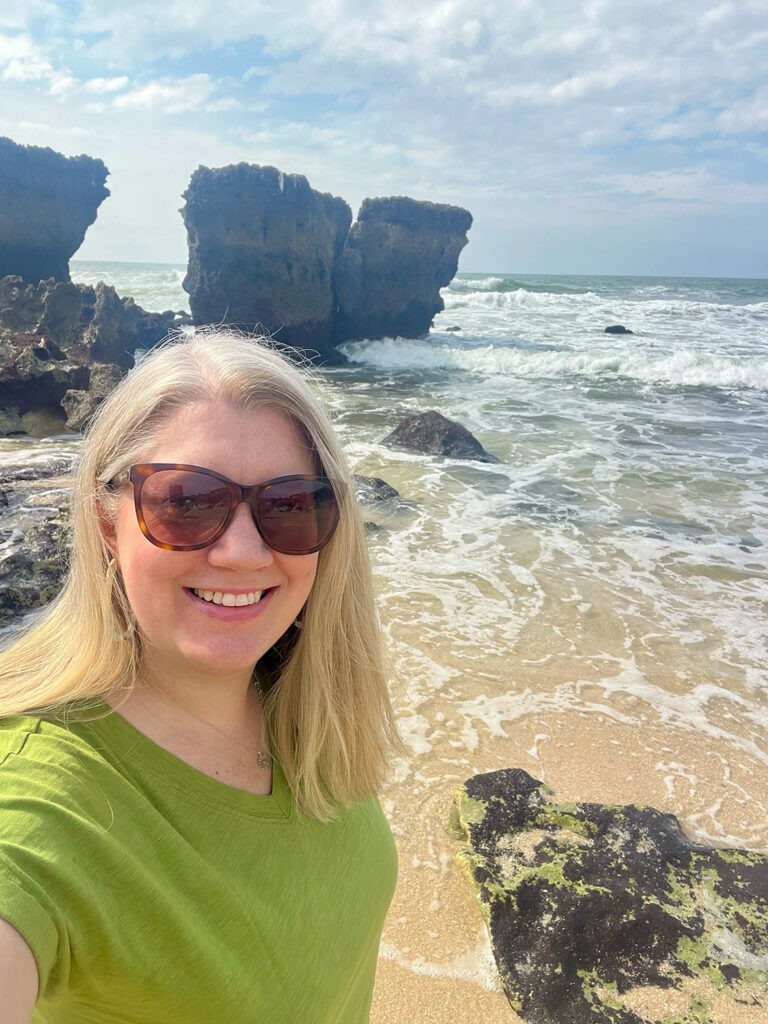
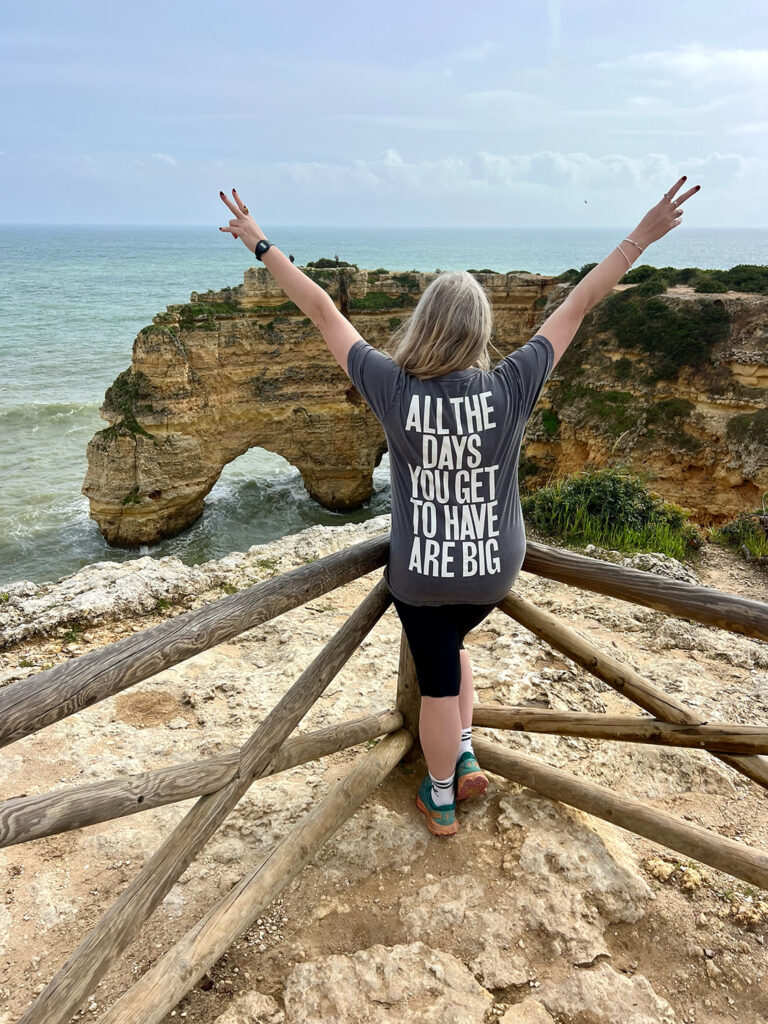
After lunch in Loulé we headed to Praia da Marinha for a gorgeous coastal walk. The Seven Hanging Valleys Trail follows the clifftop above the central Algarve coastline, looping around deep sea-carved valleys where the land drops away in sheer yellow/orange walls to turquoise water far below.
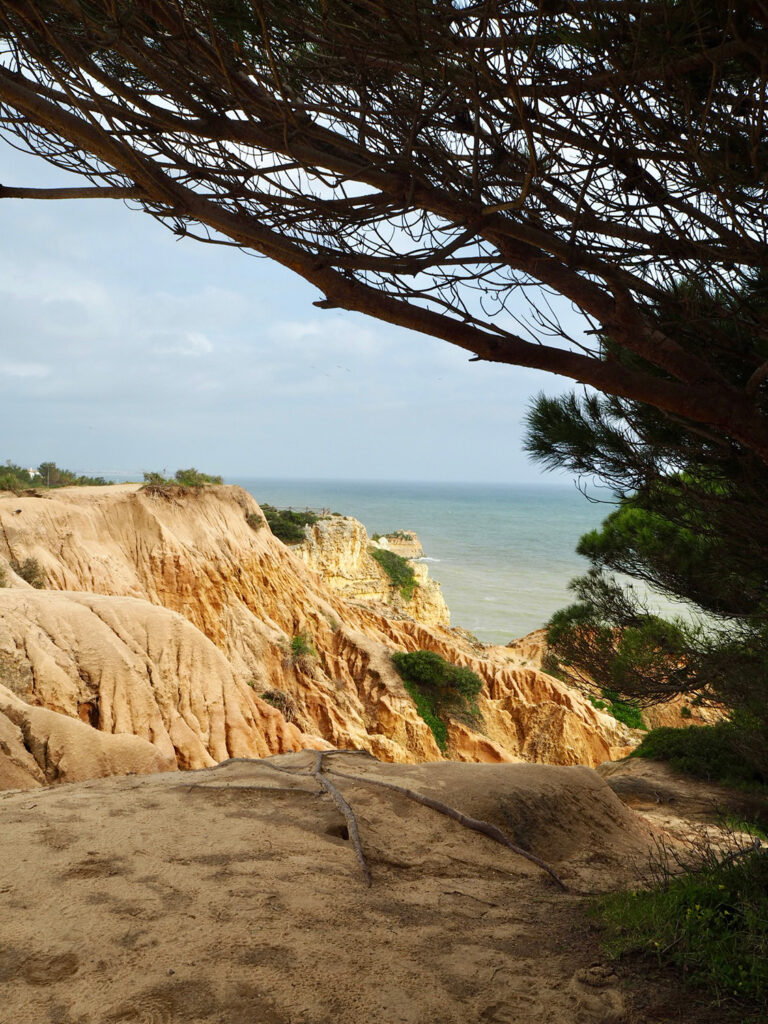
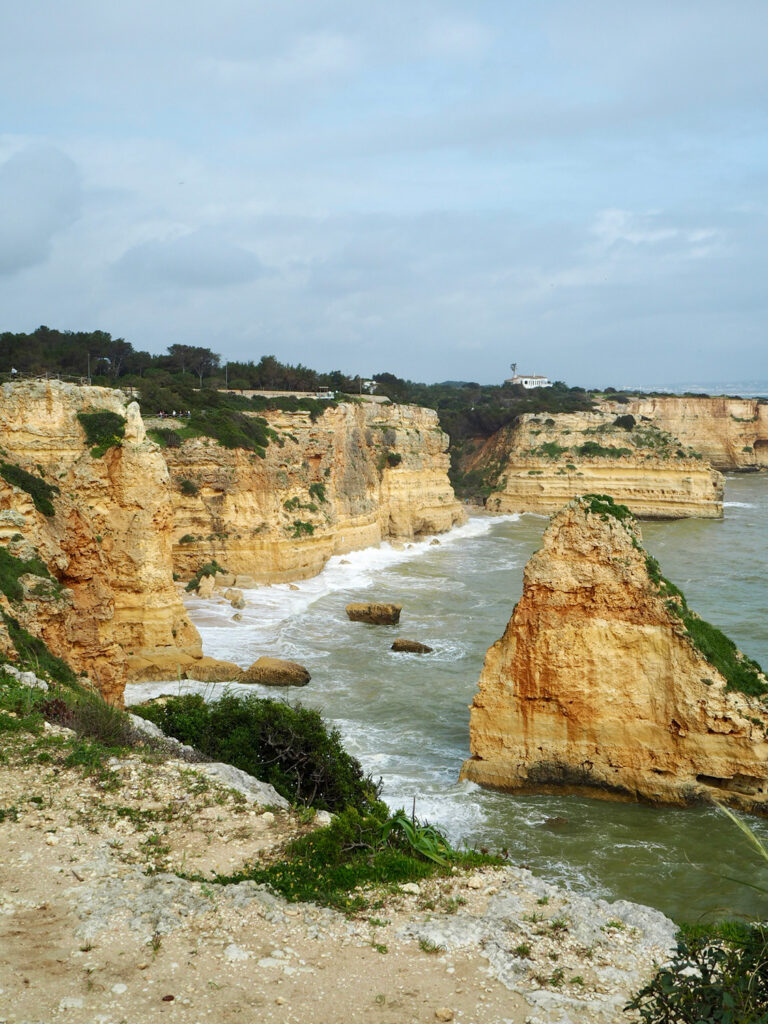
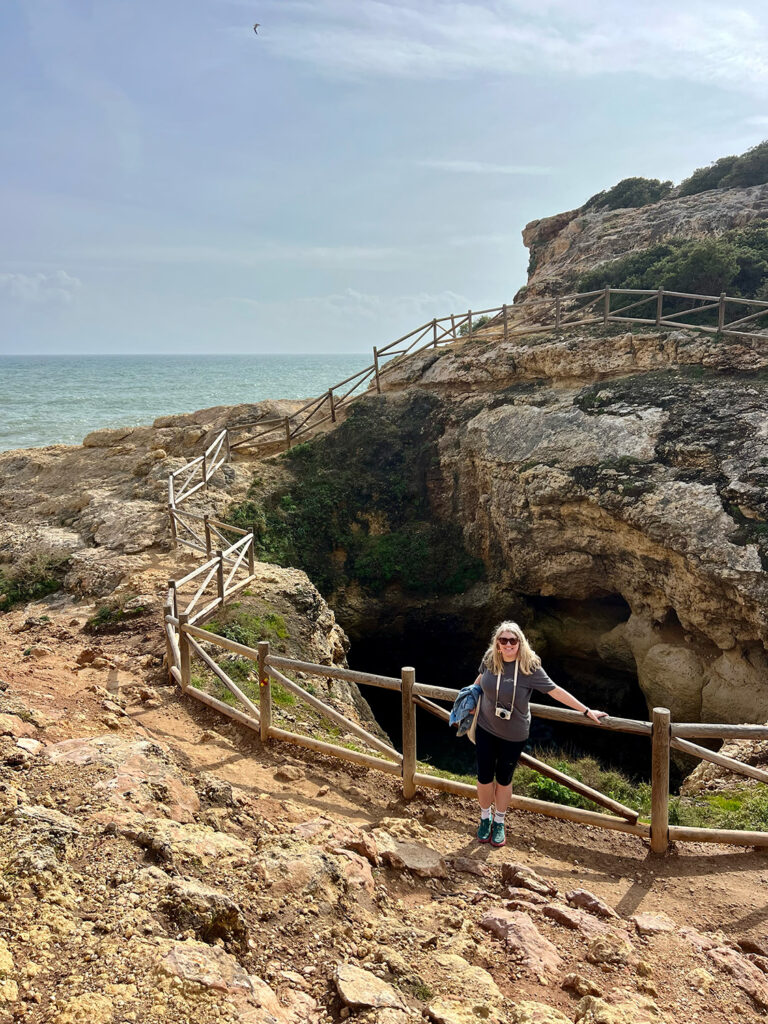
The trail is about 7.5km and relatively straightforward in terms of difficulty, there are no serious climbs, just short up and down clifftop paths. What it lacks in physical challenge it more than makes up for in sheer visual drama. Every turn reveals another impossibly photogenic view: hidden beaches accessible only by sea and sea stacks rising from the water. We walked half the path and then turned back.
A few practical notes:
- wear proper shoes rather than flip flops (the paths can be uneven and some clifftop edges are unfenced),
- take water (always!),
- and do allow yourself more than the 90 minutes it technically takes because you will stop constantly to take photographs… and you should.
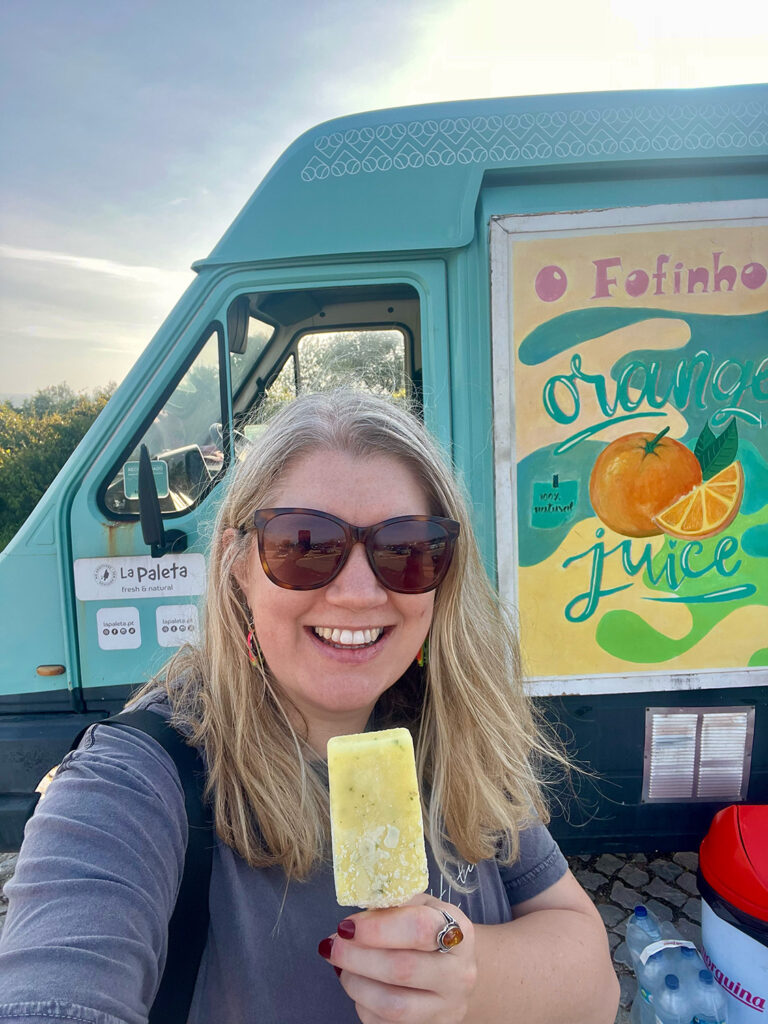
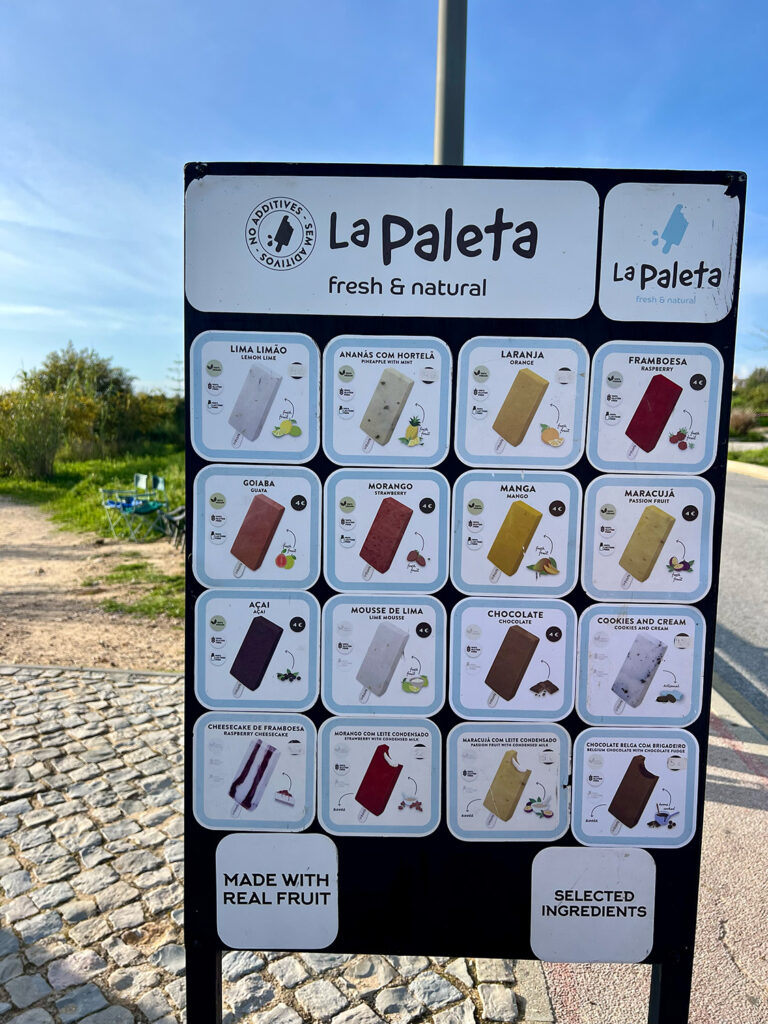
- Oh and be ready for an ice cream or La Paleta when you get back to the carpark.
The Ria Formosa: A Natural Park Most Visitors Never See
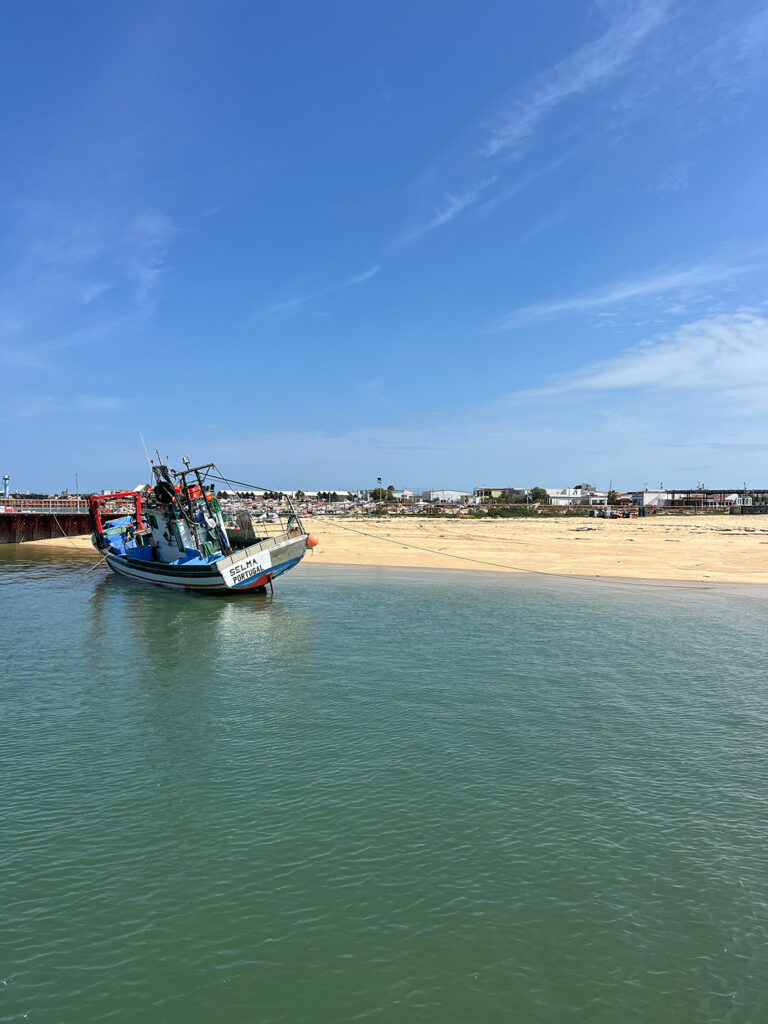
On our final full day we headed to Olhão and onto the water for a boat tour around a natural park.
The Ria Formosa is a protected lagoon system that stretches for 60km along the eastern Algarve coast, separated from the open Atlantic by a string of low-lying barrier islands. It is one of the most important wetlands in Europe, a haven for flamingos, spoonbills, chameleons and an astonishing variety of birdlife, and the vast majority of the tourists staying in Albufeira and Lagos have absolutely no idea it exists.
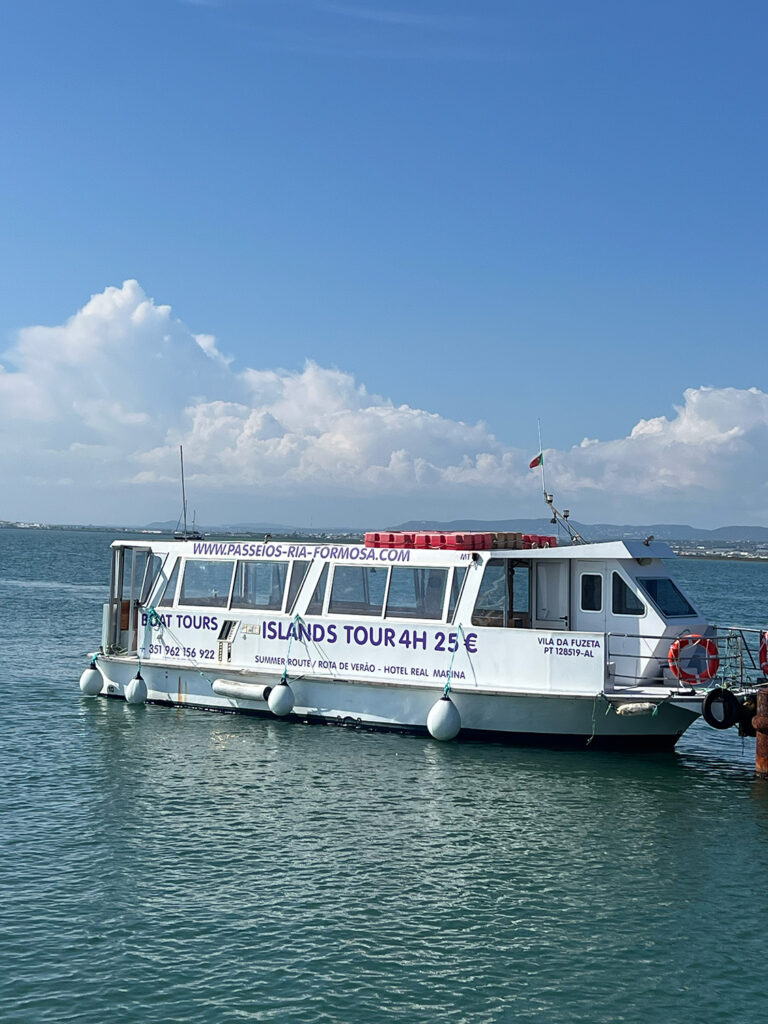
We took a boat tour from Olhão with Ria Formosa Islands Tour, which took us out through the lagoon channels and across to two of the islands.
Ilha da Culatra: lunch on an island with no cars
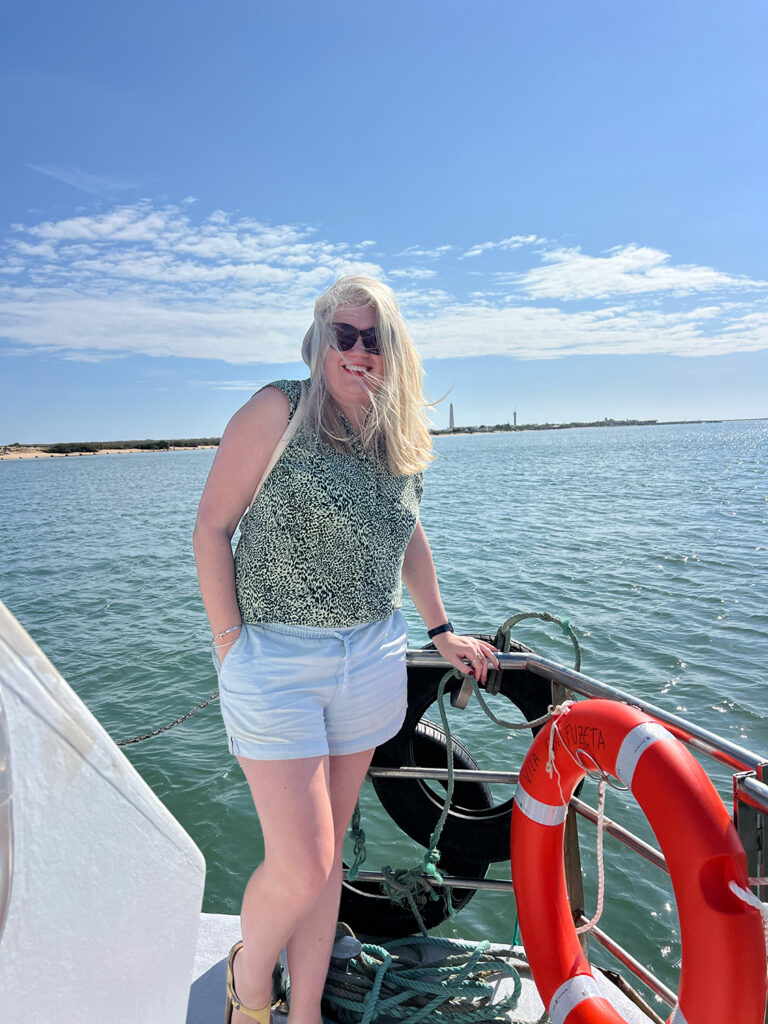
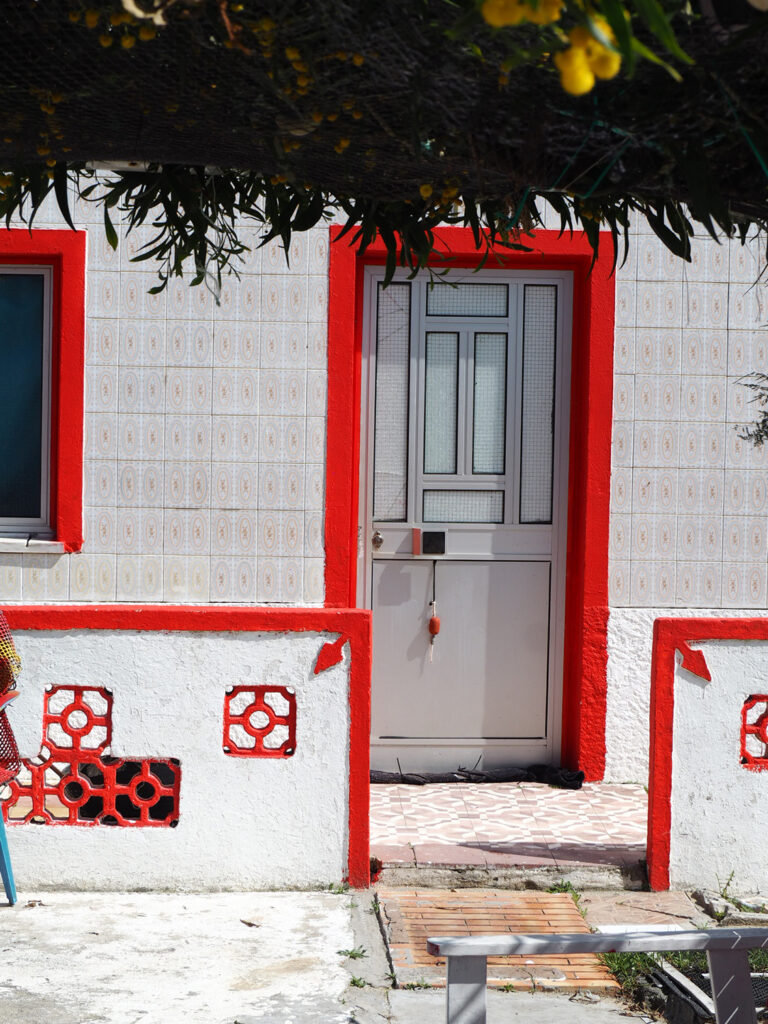
Ilha da Culatra is a proper fishing community on a barrier island, accessible only by boat, with no roads and no cars. Walking off the boat and into the village felt genuinely like stepping somewhere removed from ordinary time — whitewashed and bright painted houses, fishing nets strung on patios, cats roaming the streets and a handful of restaurants serving whatever came out of the water that morning.
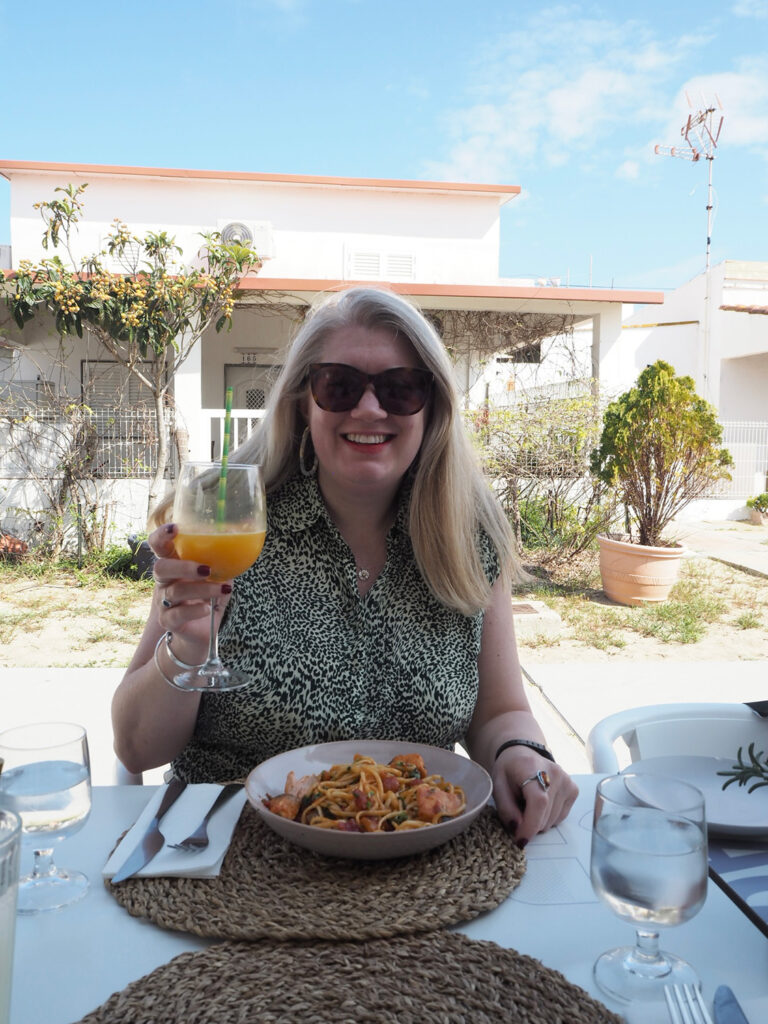
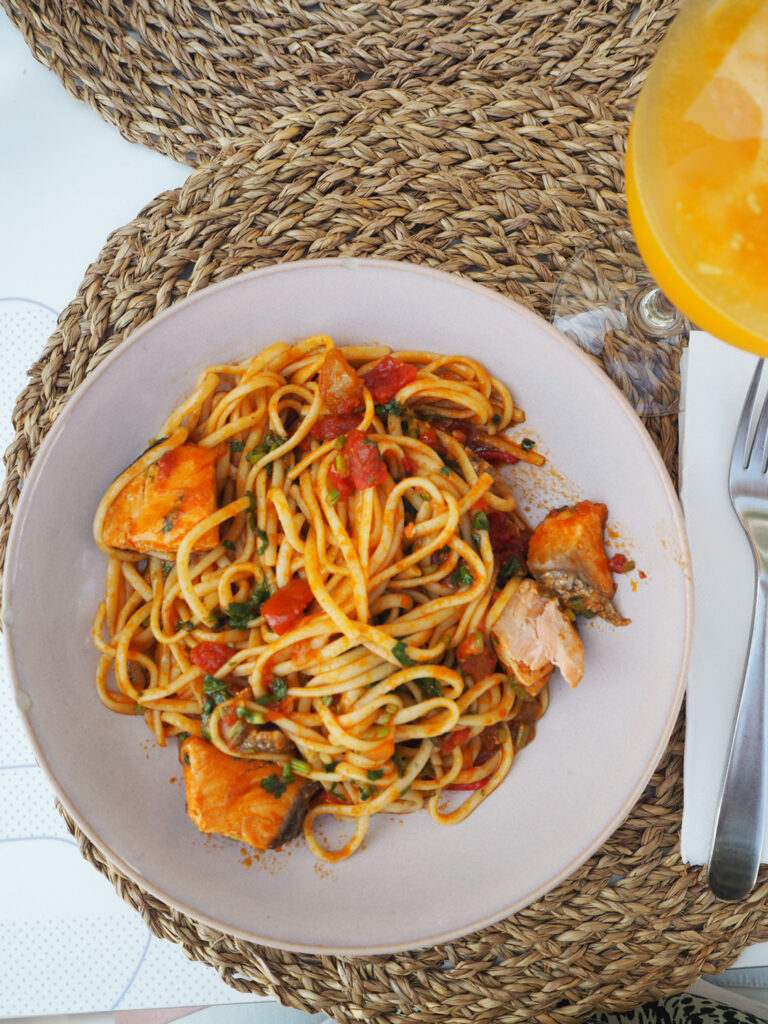
We had around an hour and a half here and I could happily have stayed the rest of the day. Lunch was fresh salmon pasta down a little backstreet in the sunshine. The kind of meal that sounds simple written down but in reality is absolutely perfect, especially as the sun came out again for us.
Ilha do Farol: the lighthouse island
Our second stop was the smaller Ilha do Farol (Lighthouse Island) named for its distinctive 19th-century striped lighthouse that serves as the landmark for ships navigating into the Faro channel. It is quieter and more remote-feeling than Culatra, with long stretches of white sand facing the Atlantic and a sleepy village tucked behind the dunes.
We had about 30 minutes here, which was just enough to walk to the lighthouse, look out at the sea, grab an ice cream and wish we had longer.
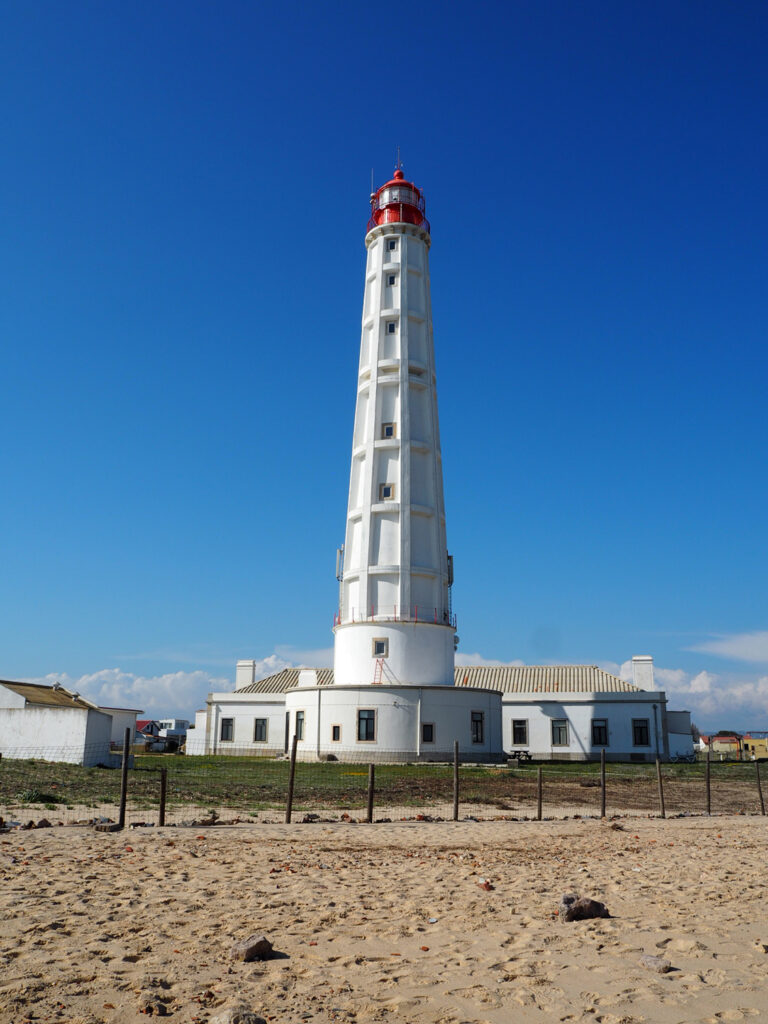
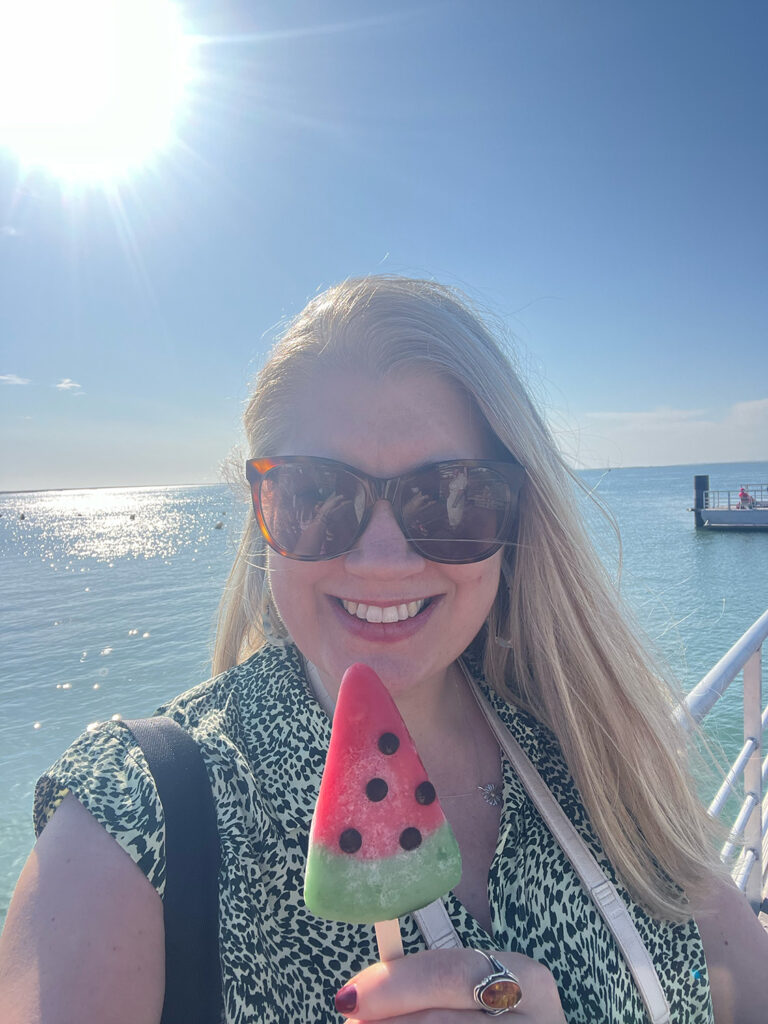
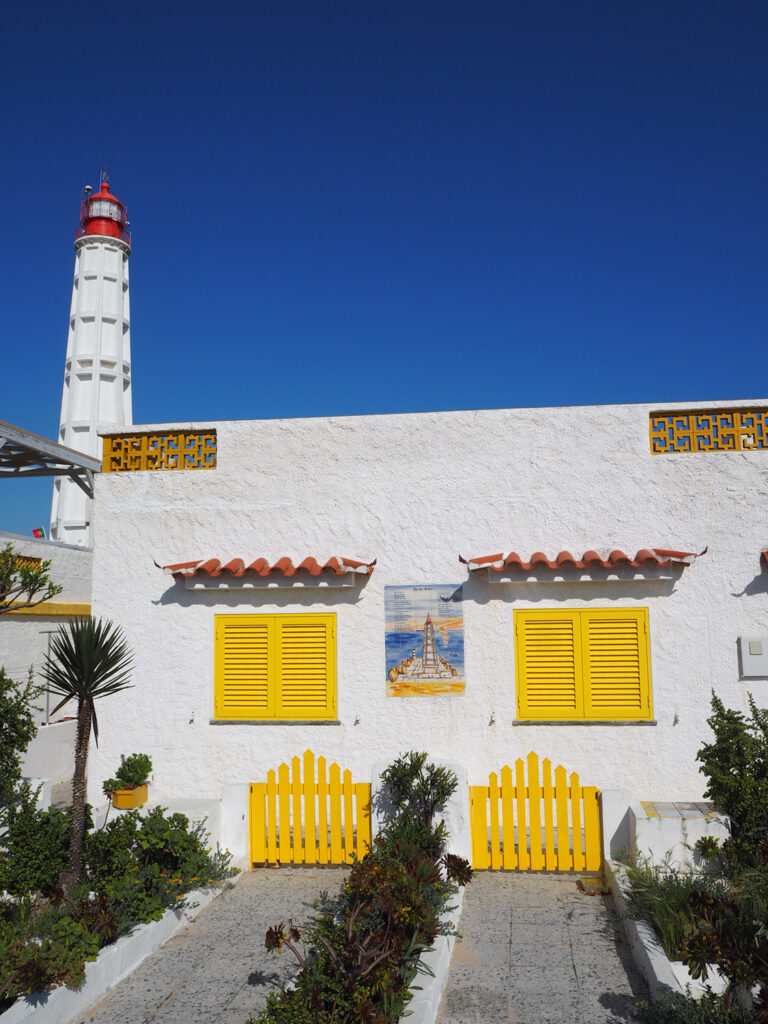
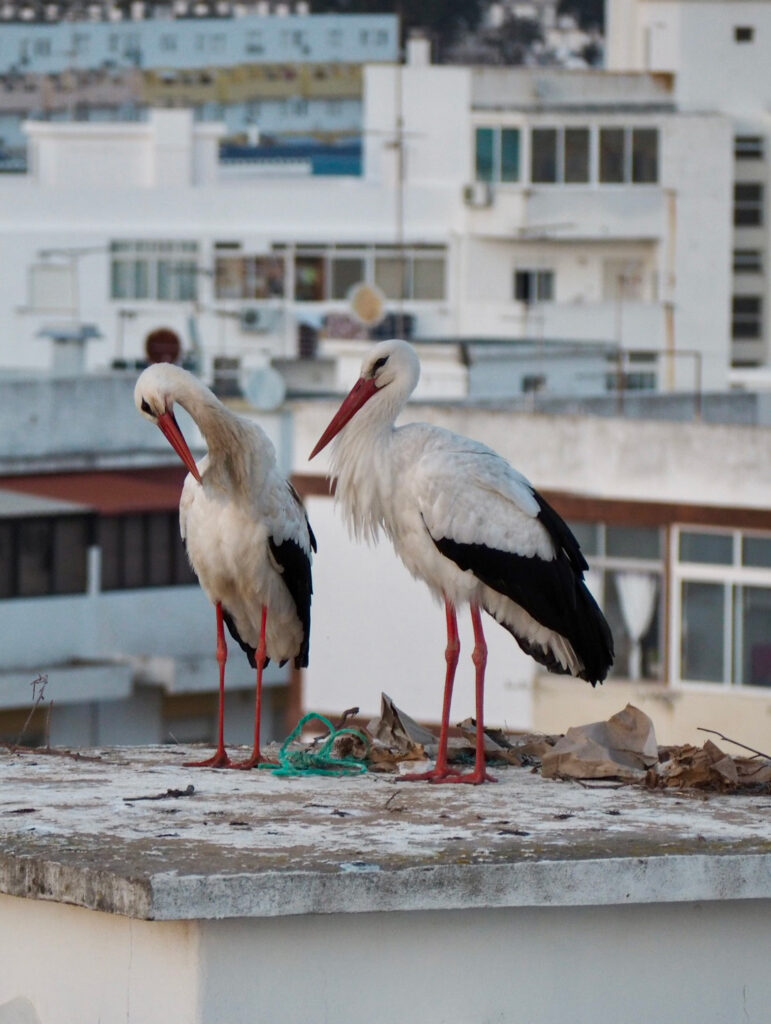
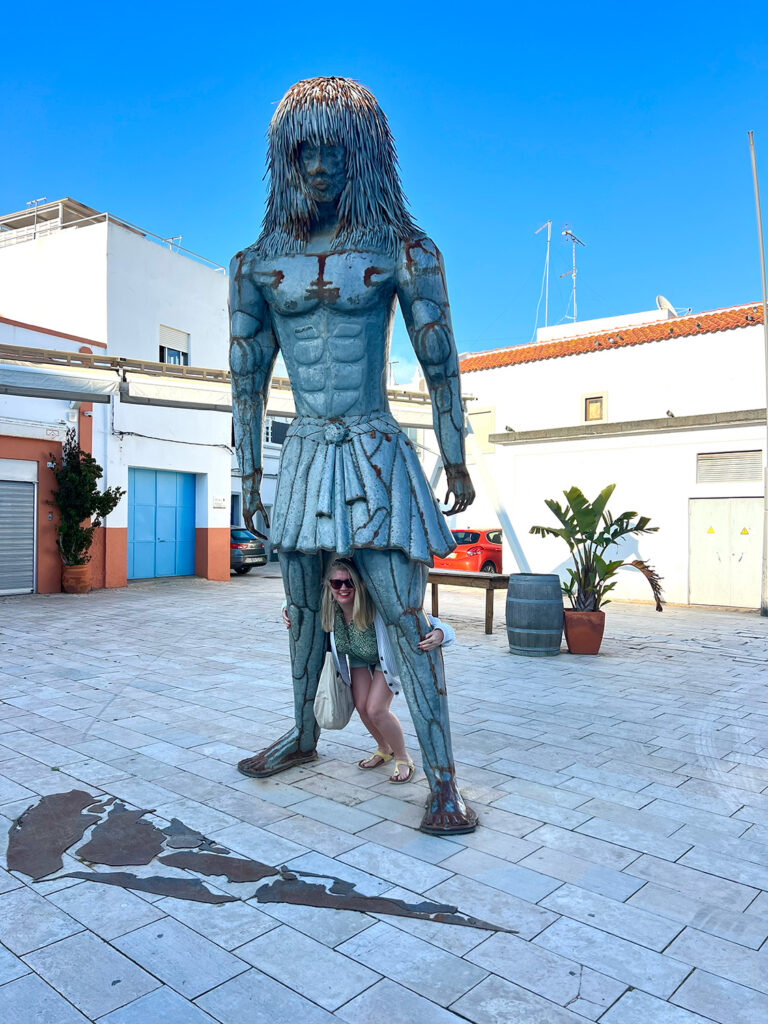
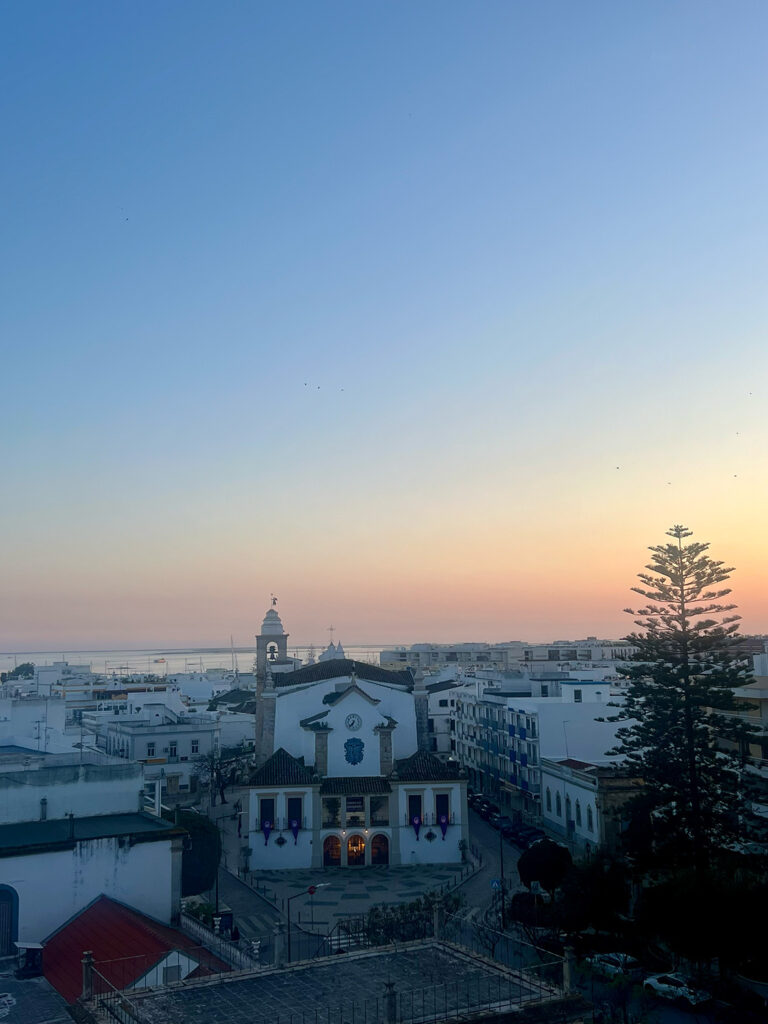
When we got back to the mainland we had some time to wander the sleepy streets of Olhão, including som incredible sightings of storks and a beautiful rooftop bar where we watched the sun go down.
Where to Eat: The Best Restaurants from This Trip
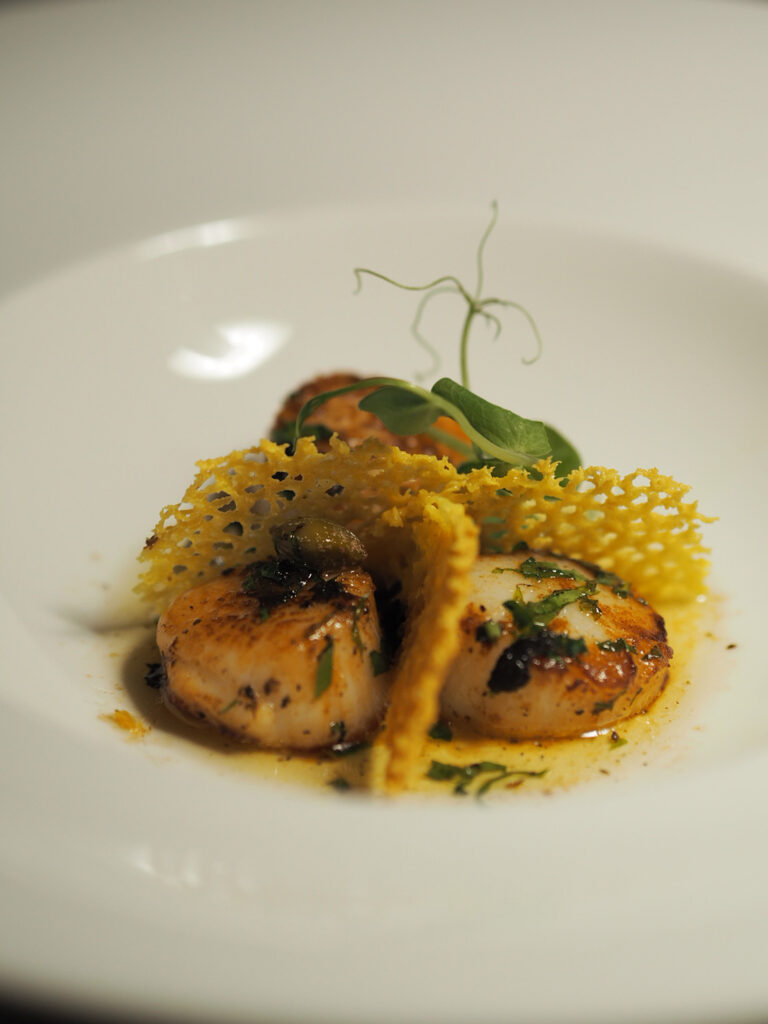
No blog post about the Algarve is complete without talking about where to eat, so here are the highlights from three days of very good meals.
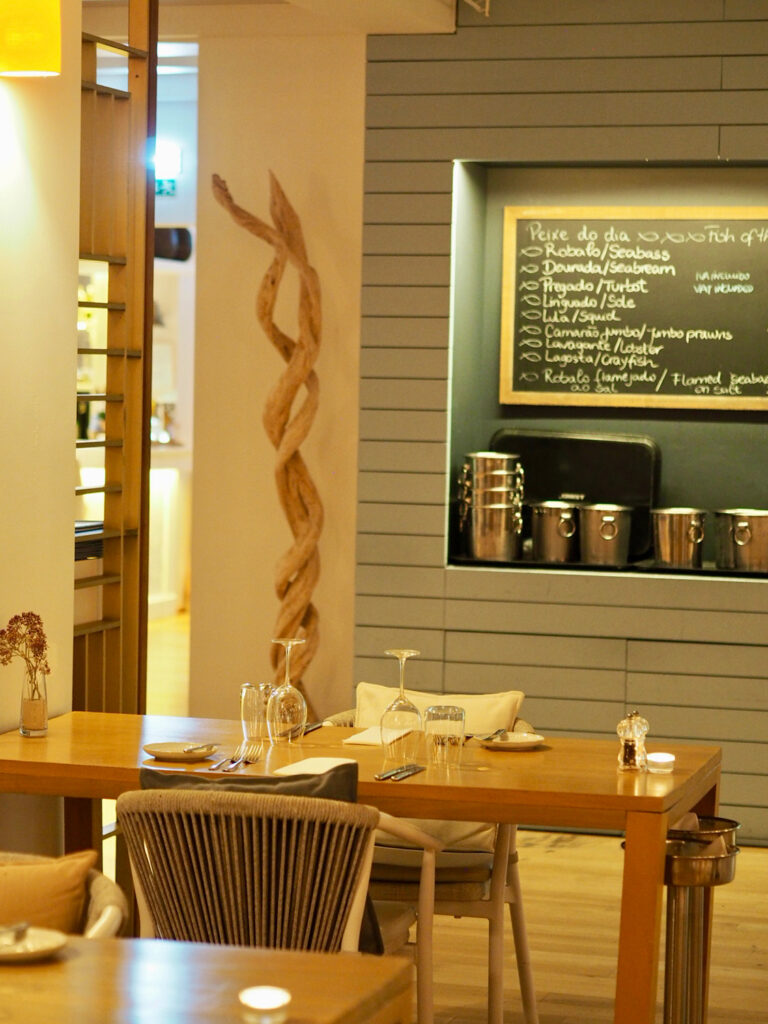
Taberna Lúcia Ribeiro, Almancil – For the cooking workshop experience and the best introduction to Algarvian food you will find. Book ahead, arrive hungry.
Café Calcinha, Loulé – For the Art Nouveau interior and a long, unhurried lunch. The kind of place you return to every time you visit.
Forno Nero, Faro – We had our welcome dinner here after drinks on the rooftop of the gorgeous Hotel 3HB Faro, and it was a brilliant combination. The rooftop views across Faro at dusk are genuinely lovely, and Forno Nero’s menu is the kind of Italian-influenced cooking that makes you order more than you planned.
Paper Moon, Galé – Dinner here on the Saturday evening was relaxed and delicious. The setting near the coast, the warm service, and a menu that takes local ingredients seriously. Well worth a reservation.
Casa do Lago, Quinta do Lago – The perfect way to end the trip. Set beside the lake in the beautiful Quinta do Lago estate, this restaurant has an atmosphere that feels effortlessly special – the kind of place that manages to feel both luxurious and comfortable at the same time. Go for sunset if you can.
Practical Tips for Visiting the Algarve
When to go: March to May is ideal, the weather is warm but not overwhelming, the wildflowers are out, and the tourist crowds haven’t arrived yet. Autumn is also excellent. The summer months are busy and hot, though the coast breezes help. There are some great deals on Flights to Faro with Jet2, including Flights from London Stansted airport.
Getting around: You will need a car for most of this. The distances between Faro, Loulé, Galé and Olhão are manageable but public transport connections are limited, especially to the trailheads. A hire car from Faro airport is straightforward and not too expensive.
How long to allow: Three days gives you a taste but honestly I would recommend a longer stay. Add a couple of extra days and you could explore the western Algarve around Lagos and Sagres, which is a completely different landscape again.
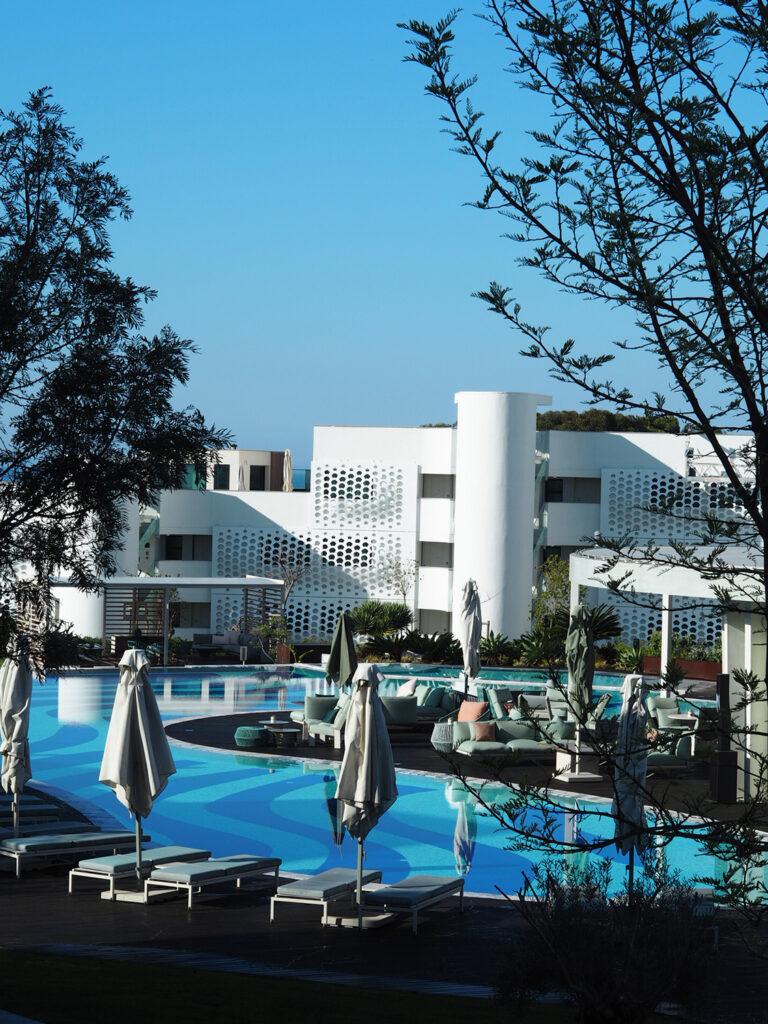
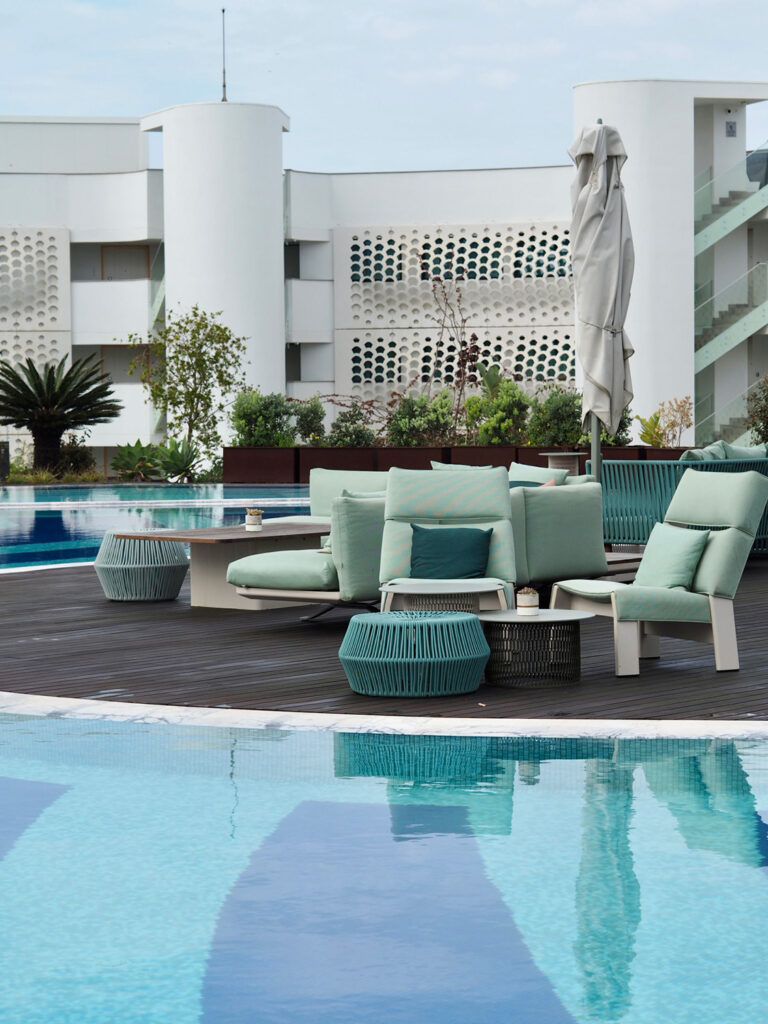
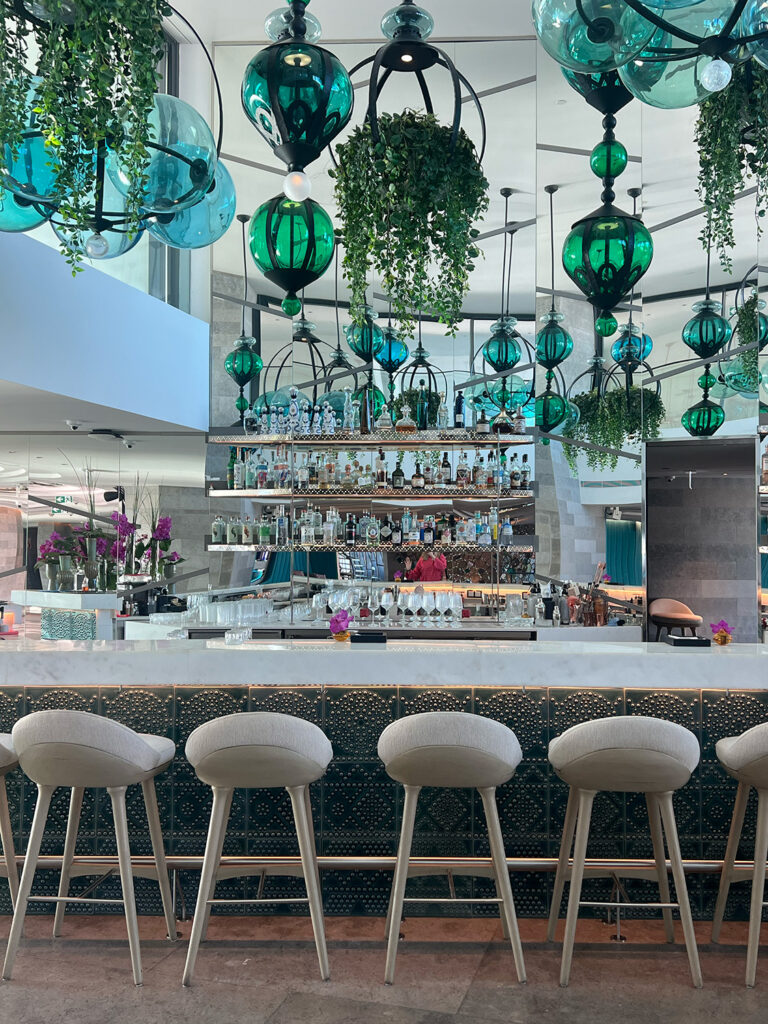
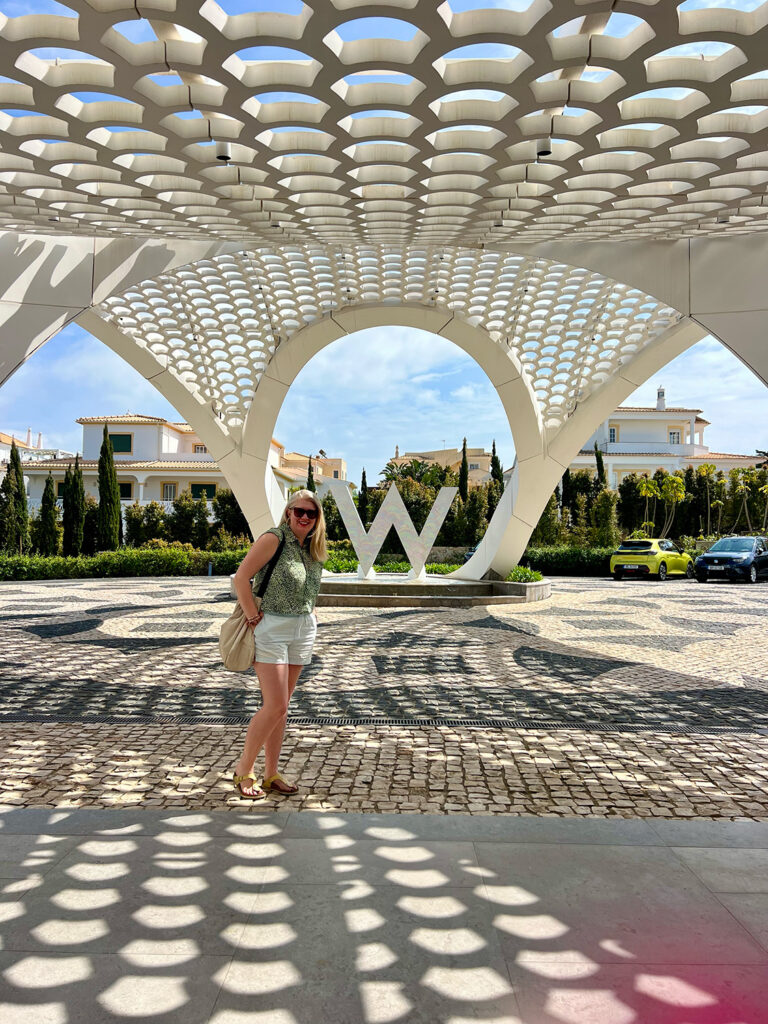
Where to stay: We stayed at the The W Algarve in Galé with Jet2holidays, a beautiful base if you want somewhere with a strong design identity and proximity to the coastal trails. The beach is a short walk from the hotel and was a gorgeous way to spend a morning. Our rooms were out of this world, with the biggest comfiest bed, each night I let out a huge sigh as I melted into the pillows. The W Algarve is part of the Indulgent Escapes with Jet2 and it was definitely VERY indulgent!
Check out all the Jet2 holidays to Portugal for more ideas on where to stay.
The Algarve I came home talking about was not the one I expected to find. It was cataplana steam in a kitchen in Almancil, a café so beautiful I kept stopping mid-sentence to look at the ceiling, a tiny fishing island where lunch tasted like it had been cooked ten minutes after leaving the sea. The cliffs and the beaches are real and they are stunning, but so is everything else, and everything else is where most people never go.
I was invited on a press trip to the Algarve in exchange for coverage, but as always my opinions are my own and genuinely reflect the trip I experienced.